What Area of the Roof Is Most Likely to Leak? Key Points to Consider

Roof leaks are a homeowner’s nightmare, causing damage that often goes unnoticed until it’s too late.

The most common areas of your roof prone to leaks include around penetrations such as chimneys, vents, and skylights, as well as roof valleys and flashings. These spots where different materials meet or areas subjected to wear and tear over time can become susceptible to leaks.

Finding the source of a leak might be challenging, but regular roof inspections can help you identify potential problems before they escalate.

a damaged ceiling

“Pay extra attention during these inspections to seams, joints, and any place where materials overlap. Often, simple roof repairs can prevent a small leak from becoming a bigger issue.” said Charles Jimerson from CJ Commercial Roofing NJ.

Whether it’s a pipe boot failure or loose fasteners, understanding where leaks are likely to occur and taking proactive steps can save you from costly repairs.

Tackling these vulnerable areas ensures your roof remains in optimal condition, protecting your home for years to come.

Identifying Common Leak Locations

Roof leaks often stem from specific areas that are prone to water infiltration. By understanding these common leak locations, you can better protect your home from potential damage.

Flashings and Valleys

Flashings and valleys are two key areas where leaks frequently occur.

Flashing, typically made from metal, seals roof transitions and prevents water entry. Damaged or improperly installed flashing, especially around chimneys, skylights, and roof vents, can lead to serious leaks.

Roof valleys, where two roof sections meet, are another common source of leaks. Leaves and debris can accumulate in these areas, obstructing water flow and promoting leaks. Ensuring these components are intact and regularly inspected can help maintain your roof’s integrity.

Regularly inspect these points for damage or misalignment to avert potential water issues.

You should prioritize maintenance to protect against water infiltration effectively.

Roof Features

Roof features like chimneys, dormers, and vent flashing often become leak sites. These structures disrupt the roof’s uniform surface, creating spaces where water can penetrate.

Additionally, features like skylights rely heavily on seals that can degrade over time.

Plumbing vent boots are another concern; cracks in these rubber elements can allow water to seep into your attic. As the rubber deteriorates, replace the boots promptly to prevent leaks.

Check for cracks, seal degradation, or any signs of wear around these features. Routine inspections and timely repairs can prevent extensive water damage.

Edge Vulnerabilities

The edges of your roof are especially prone to leaks, particularly in areas with extreme weather conditions.

Ice dams form at roof edges when snow melts and refreezes, forcing water under the shingles.

During the winter, attic condensation can exacerbate risk by increasing ice formation.

It’s crucial to ensure proper attic ventilation to minimize condensation buildup.

Paying attention to roof edges helps combat ice dam leaks and other water-related issues.

Installing ice and water shields and maintaining good attic ventilation are effective preventive measures.

Keeping these areas in check reduces the potential for leaks and maximizes your roof’s lifespan.

Preventing and Addressing Leaks

Preventing leaks involves regular maintenance and prompt repairs, while addressing existing leaks requires quick damage control. Understanding external factors that might contribute to leaks also helps in safeguarding your home from water damage.

Maintenance and Repair

Routine roof maintenance is crucial for preventing leaks.

Regular inspections help you spot issues like missing or damaged shingles, improperly driven nails, and other potential leak sources.

Checking your roof sheathing for signs of wear or damage is essential to minimize water infiltration.

Engage a trusted roofing contractor, like Charles Jimerson from CJ Commercial Roofing NJ to address small issues before they escalate.

They can perform necessary roof repairs, ensuring your home is protected.

Use quality roofing materials to enhance durability and extend the lifespan of your roof.

Damage Control

When a leak occurs, immediate damage control is necessary.

Look for water stains on ceilings, peeling paint, and signs of mold and mildew.

Pinpoint the leak source to prevent further water infiltration.

Temporary fixes, such as patches or tarps, can provide short-term relief.

Ensure that water is not pooling on the roof by maintaining a clean drainage system.

Clogged gutters and debris buildup often lead to water damage.

For significant damage, contact a roofing company for professional assistance in repairing and safeguarding your home from further issues.

External Risk Factors

Understanding external risk factors helps in anticipating and preventing roof leaks.

Storm damage can compromise your roof’s integrity. This includes strong winds and heavy rainfall. They can lead to missing shingles or improperly driven nails.

Invest in weather-resistant materials to withstand adverse conditions.

Regularly inspect the roof for signs of pooling water or damage post-storm. Addressing these risks promptly can prevent leaks.

Additionally, ensure tree limbs or debris don’t accumulate on your roof. They can damage shingles and cause leaks.

Proactive measures keep your roof in optimal condition, minimizing the need for extensive repairs.

What to Do If You Discover a Leak in Your Roof: Essential Steps for Quick Action

Discovering a leak in your roof can be a daunting experience, but quick and effective action can minimize damage. You’ll likely notice signs such as water stains on your ceiling, the presence of mold or mildew, or a musty odor in your home.

Immediately addressing the source of the leak can prevent further water damage to your property.

Begin by safeguarding your belongings from potential damage.

Move furniture and valuables away from the affected area and use containers to catch dripping water.

a discovered roof leak

While these steps help protect your interior, you should also consider temporary measures to cover the leak, such as using waterproof tarps.

This can prevent additional water from entering your home and reduce the impact until a professional can conduct a more permanent fix.

Investigating the source of the leak is crucial for an effective solution.

Based on CJ Commercial Roofing NJ, common trouble spots include intersections around chimneys or vents and areas with damaged shingles.

If you’re comfortable, a careful inspection using a garden hose can help identify the problem area, keeping safety in mind.

Recognizing these signs early can significantly mitigate the risk of further structural damage to your home.

Assessing the Damage

When you discover a leak in your roof, it’s crucial to assess the situation quickly.

This involves taking steps to minimize damage, identifying where the leak originates, and understanding the potential consequences on your property.

Immediate Steps to Reduce Damage

Act swiftly to limit damage when you spot a leak.

Move valuables away from the leakage area and use buckets, bowls, or containers to catch the water.

Cover your floor with waterproof materials to protect it.

A temporary patch can help seal the source until a permanent fix is possible.

Use roofing cement or a waterproof tarp to provide temporary protection.

If safe, conduct a visual inspection from the ground to gauge the extent of harm without endangering yourself.

Identifying the Source

Pinpointing the cause of the roof leak is vital.

Begin by checking your attic for wet insulation and signs of a roof leak. Visible water stains or peeling paint may indicate roof issues.

Investigate the roof surface for damaged shingles or malfunctioning flashing around vents and chimneys.

Pay attention to roof penetrations and consider the possibility of ice dams, which can trap water beneath shingles.

Don’t overlook the roof decking and gutter cleaning which can contribute to leaks.

Understanding the Impact

Recognize how a leaky roof affects your home.

Water infiltration can compromise the structural integrity of your roof and home.

Moisture may lead to mold growth, which poses health risks and deteriorates building materials.

Leaks can also escalate energy bills as wet insulation hampers your home’s efficiency.

Check for wet attic insulation and be aware of water damaging other areas, such as causing peeling paint inside your home.

Professional Repair and Maintenance

Addressing a roof leak involves choosing experienced professionals, executing effective repairs, taking preventive actions, and handling insurance aspects. Understanding these components will ensure efficient resolution and reduce future issues.

Choosing a Roofing Professional

Selecting the right roofing professional is crucial for effective roof repairs.

Start by researching experienced contractors with positive reviews and valid licenses.

Look for professionals who specialize in roof leak repairs and have a solid history of successful projects.

Tips for Selecting a Professional:

  • Verify insurance and certifications.
  • Check local references and past projects.
  • Confirm knowledge of various roofing materials like shingles and metal.

Engage in clear communication about cost estimates and timelines to avoid misunderstandings.

A well-chosen contractor like CJ Commercial Roofing NJ, ensures that the repair is durable and meets your needs.

Executing Repairs

Once you’ve selected a professional, focus on executing repairs efficiently.

Begin by identifying the key areas impacted by the leak, such as missing shingles or clogged gutters.

A roofing contractor will:

  • Replace damaged shingles.
  • Use appropriate roofing materials and nails.
  • Address any issues with gutters and downspouts.

It’s critical to document the entire repair process.

This includes photographing damages before and after repairs and keeping copies of written agreements and invoices for future reference or insurance claims.

Preventative Measures

Proactive roof maintenance prevents leaks effectively.

Schedule regular inspections to spot potential issues before they escalate.

Maintenance tasks include cleaning gutters and ensuring proper ventilation.

Routine Checks:

  • Inspect for roofing nails that may be causing a puncture.
  • Clear clogged gutters to prevent water pooling.
  • Look for early signs of roof damage such as curling shingles.

Insurance and Documentation

Handling insurance efficiently can alleviate the financial burden of roof repairs. Start by documenting the leak thoroughly when it is discovered.

Include dates, photos, and descriptions. Then, file an insurance claim with your provider and supply all necessary documentation.

It’s beneficial to have a detailed report from your roofing professional to bolster your claim. Understand your policy’s coverage regarding leaks and roof damage.

Maintain ongoing records of inspections and maintenance activities. This preparation aids in securing appropriate compensation when needed.

Is it OK to Have Furniture That Doesn’t Match? Exploring Interior Design Flexibility

When you’re decorating your home, you might wonder if it’s acceptable for your furniture not to match. A uniform look has its own charm, but embracing mismatched pieces can add a distinctive flair and personality to a space.

Yes, having furniture that doesn’t match is perfectly okay. It can create an inviting and dynamic atmosphere that reflects your unique style.

A cozy living room with mismatched furniture

Incorporating mismatched furniture is not just about random selection. It’s about creating a cohesive design through thoughtful curation.

You can achieve harmony by sticking to a theme, playing with colors, or choosing pieces with complementary shapes or finishes.

“By integrating various styles and textures, you can transform your home into a personalized sanctuary. This approach not only breaks away from the cookie-cutter look but also offers endless potential for creativity.” said Leona Rodriguesi of Mornington Cabinet Makers.

Creating Harmony in Diversity

Achieving a cohesive aesthetic in your home involves artfully combining mismatched furniture pieces. The goal is to create a unified look by strategically using a color palette, textures, and fabrics.

Embracing diversity in your furniture design adds character and a unique touch to your interior spaces.

Embracing Mismatched Furniture

Integrating mismatched furniture into your living room can transform it into an inviting and dynamic space.

Start by identifying the common elements in your existing pieces, such as shape, size, or style. Grouping pieces with similar attributes allows you to maintain a sense of order.

Use accent pieces like throw pillows or centerpieces to harmonize conflicting styles.

These accessories provide subtle hints that your design is intentional, rather than random.

Whether it’s a mix of vintage and contemporary items or a blend of materials like wood and metal, showcasing variety in a thoughtful way creates visual interest.

Focus on maintaining visual balance so one piece doesn’t dominate the space, giving your area a well-curated look.

Choosing a Unifying Color Palette

A well-selected color palette is key to tying together mismatched furniture.

Opt for a monochromatic scheme with varying shades of a single color to achieve a serene and cohesive aesthetic. This choice creates an elegant backdrop that allows pieces of different styles to coexist seamlessly.

Alternatively, you might prefer a harmonized color scheme incorporating two or three complementary colors.

For instance, combining earthy tones with a bold accent color can provide both warmth and focus. This method helps in achieving visual cohesion without overwhelming your space.

Use wall art, rugs, or upholstery fabric in your chosen palette to unify the overall look.

Incorporating Textures and Fabrics

Texture adds depth and complexity to your home decor, enriching your living space by playing with tactile elements.

Mix smooth and rough textures, such as pairing a sleek leather sofa with a chunky knitted throw blanket. This contrast brings an engaging richness to your room.

Consider using fabrics to highlight the variety in your furniture.

Velvet curtains, cotton pillows, or linen tablecloths can add layers and interest.

Ensure the mix of textures doesn’t create a chaotic atmosphere by sticking to a consistent theme or repeating certain materials to maintain balance. This careful selection promotes a cohesive yet diverse design. For more ideas, see Leona Rodriguesi of Mornington Cabinet Makers.

Balancing the Layout

Achieving a balanced layout in your living room involves thoughtful placement of furniture.

Use symmetrical arrangements for a harmonious feel. Mirroring furniture pieces such as armchairs and side tables around a central focal point, such as a coffee table or fireplace, works well.

Alternatively, an asymmetrical layout can create visual interest.

For example, pair a large sofa with a couple of smaller chairs instead of a matching set. This reduces the need for one-stop shopping, allowing for more personal, curated selections.

Ensure that the traffic flow is unobstructed by arranging furniture to allow easy movement throughout the space.

This combination of strategic placement with diverse furniture pieces crafts a welcoming and organised atmosphere in your home.

What is the 2 3 Rule Furniture? Understanding Proportions in Interior Design

In the world of interior design, proportions can significantly impact the harmony and appeal of your living spaces. The 2:3 rule is one such principle that guides the arrangement of furniture, creating a balanced and aesthetically pleasing environment.

By placing two-thirds of the visual weight of furniture on one side and one-third on the other, you establish a sense of equilibrium and flow. This approach can be especially effective in living rooms where furniture placement can often feel haphazard without a guiding principle.

A living room with a sofa, coffee table, and two chairs arranged in a triangular formation, with a rug underneath and a lamp nearby

When applying the 2:3 rule to your living room, consider how different pieces interact with one another.

For example, pairing a large sofa with two accent chairs helps balance the room, preventing it from feeling overcrowded or too sparse. This technique not only enhances the visual appeal but also optimises the functionality of the space.

“Incorporating the 2:3 rule into your design process can transform a chaotic room into a cohesive and inviting area. As you experiment with this timeless interior design strategy, you’ll find it easier to create spaces that reflect both style and comfort.” said Leona Rodriguesi of Mornington Cabinet Makers.

Understanding the 2:3 Rule in Furniture Arrangement

The 2:3 rule in furniture arrangement provides a framework for achieving balance and harmony in a living room through strategic furniture placement and aesthetics. It guides you in creating a visually appealing and functional seating area by prioritising the distribution of furniture and highlighting focal points.

Principles of the 2:3 Rule

The 2:3 rule is rooted in aesthetics and balance. It suggests that arranging furniture to occupy two-thirds of the available space creates a pleasing composition.

This approach prevents a room from feeling cramped or too sparse. By following this principle, you ensure that neither the furniture nor the empty space dominates the room.

Implementing this rule involves considering how each piece contributes to the overall visual appeal and harmony.

It often means balancing larger items with smaller objects in a way that draws the eye through the space naturally. This equilibrium can lead to a more inviting and cohesive environment.

Applying the Rule in Living Spaces

In living rooms, applying the 2:3 rule can help in determining the layout of the seating area and other key elements.

Start by identifying a focal point, such as a fireplace or window, then plan furniture placement around it to enhance both functionality and aesthetics.

Use pieces that complement each other in size and style to maintain visual balance.

For example, if your sofa takes up a substantial amount of space, consider placing smaller chairs or accent tables to fill the remaining areas effectively. This can make the room feel more open and accessible while maintaining harmony.

Enhancing Interior Design with Texture, Colour, and Lighting

To create a visually appealing and cohesive interior, consider the interplay of texture, colour, and lighting. Each element contributes significantly to the atmosphere and aesthetic of your space.

Integrating Textures and Shapes

Incorporating various textures and shapes into your interior can make spaces feel dynamic.

Use different materials such as fabrics, wood, and metal to add depth.

Consider layered textiles like rugs on the floor, cushions on sofas, and curtains on windows for versatility.

Shapes also play a role. Combine rounded sofas with structured chairs to provide balance.

Incorporating natural elements like plants introduces different visual textures. These additions enhance comfort and create a welcoming living room that feels complete.

Choosing Colours and Artwork

When selecting colours, apply the 60-30-10 rule for a balanced palette.

Use 60% of a dominant colour, 30% of a secondary tone, and 10% as an accent. This method helps organise your design and ensures balance.

Artworks can accentuate your colour scheme.

Choose pieces that complement and add to the existing palette. Consider the colours of your walls and furniture when selecting artwork.

Position them strategically to create focal points and inject personality into your decor. With careful selection, colour and art can transform your living space. For more artwork ideas, see Leona Rodriguesi of Mornington Cabinet Makers.

Optimising Lighting and Accessories

Lighting significantly affects mood and functionality in a room. Use a mix of ambient, task, and accent lighting to address various needs.

Dimmable lights offer flexibility, allowing you to adjust brightness for different occasions.

Pay attention to natural light. Position mirrors to amplify it. Also, place curtains that can diffuse harsh sunlight.

Accessories like lampshades can add texture and style. Lighting is not just functional; it brings additional warmth and character.

Choose lighting pieces that align with your decor style for a cohesive look.

Why Choosing the Right Furniture is Important for Maximising Comfort and Style

Selecting the right furniture is fundamental to shaping a functional and aesthetically pleasing home that reflects your lifestyle.

Your choice of furniture not only serves practical purposes but also mirrors your personal taste and enhances the comfort of your living space.

With the right pieces, you transform an ordinary living area into a sanctuary that suits your personality and serves your everyday needs.

A well-lit room with mismatched, uncomfortable furniture

The process involves considering factors like room dimensions, quality materials, and current trends without losing sight of your personal style.

Consciously curated furniture can create a harmonious balance between aesthetics and utility, turning your home into a true reflection of who you are.

By keeping these aspects in mind, you avoid financial strain while achieving a stylish, comfortable environment.

Understanding the broader implications of your furniture choices is crucial in crafting an inviting atmosphere.

Whether it’s a cosy sofa that welcomes relaxation or a dining table that brings family and friends together, the furniture you select plays a vital role in defining the essence of your home.

As you delve into the world of interior design, remember that each piece contributes to the tapestry of your lifestyle. Let us get on to these with Leona Rodriguesi of Mornington Cabinet Makers.

The Significance of Furniture Selection

The right furniture not only enhances your home’s style but also meets practical needs.

It involves considering factors like lifestyle, available space, and material durability.

Aligning Furniture with Lifestyle and Space

When selecting furniture, aligning it with your lifestyle and the available space is crucial.

You need to consider your daily activities and how each piece will fit into your routine.

Furniture should complement your lifestyle. For instance, if you frequently host guests, consider a large dining table or comfortable seating options.

Measuring the room accurately ensures that the furniture fits without overwhelming the space.

Use a tape measure to determine dimensions before purchasing.

Choosing pieces that fit the physical constraints of your home allows for smooth movement and maintains an organised environment.

Consider multifunctional furniture, such as a sofa bed or extendable dining table, which offers flexibility in limited spaces.

This approach helps optimise both small and large spaces, ensuring that each room serves its intended purpose effectively.

Achieving Comfort and Functionality

Comfort is a primary consideration when choosing furniture. You should prioritise items that offer support and relaxation, such as ergonomic chairs or plush sofas.

Functionality plays a significant role too, ensuring that furniture not only looks appealing but also serves a practical function.

For instance, in a home office, invest in a desk with sufficient storage and a chair that supports good posture.

In living areas, choose coffee tables with added storage to keep frequently used items within reach.

Furniture functionality should enhance the usability of the space.

Ensure that every piece contributes to the comfort and utility of the room, making daily activities more enjoyable and efficient.

Longevity and Durability of Materials

Investing in high-quality materials is essential for the longevity of your furniture.

Durable materials withstand daily wear and tear, reducing the need for frequent replacements.

Look for solid wood, metal frames, and robust upholstery fabrics.

Choosing materials like hardwoods or high-quality metals ensures the furniture remains in excellent condition over time.

Assess the construction of each piece, too. For example, check the joints and finish for signs of quality craftsmanship.

Durability involves not just the materials, but also the design.

A well-made piece of furniture maintains its functionality and appearance through years of use, making it a wise investment for any home. For more material ideas, see Leona Rodriguesi of Mornington Cabinet Makers.

Incorporating Style and Personal Aesthetics

Choosing furniture that reflects your personal aesthetics is crucial for creating spaces that feel authentic and comfortable.

Keep your overall design theme in mind, as it influences decisions about colour, materials, and budget.

Visualising the Interior Design Theme

Start by envisioning a cohesive design theme for your home.

Whether your preference leans towards contemporary, rustic, or a blend of styles, defining your theme will guide your furniture choices.

Analyse existing decor—consider patterns, textures, and architectural details that are already present.

Use these elements to create a harmonious flow throughout your living spaces.

You might visit a furniture shop to see how different pieces could fit into your theme.

Avoid impulse buys; align each selection with your visualised style.

Understanding the Impact of Colour and Materials

Colour plays a pivotal role in setting the mood of a room.

A thoughtfully chosen colour palette complements your personal style and enhances the interior design’s cohesiveness.

Materials are just as critical; opt for selections that match your lifestyle needs and aesthetic preferences.

Think about the interplay between textures, like combining leather with natural fibres. This adds depth and interest to your spaces.

Experiment with bold or subdued colours depending on the statement you want to make.

Balance bold colours with neutral tones to maintain visual appeal without overwhelming the senses.

Balancing Quality with Budget Considerations

Quality should not be compromised, even when setting a budget.

Determine essential items that justify a higher expenditure due to their durability or importance in daily use, like a sofa or dining table.

Evaluate budget limitations realistically.

Make a list of necessary pieces and compare prices across various retailers.

Look for sales or second-hand options to find quality pieces without breaking the bank.

Set a strict budget for each room or piece to avoid overspending.

Remember that investment in quality often leads to fewer replacements, saving you money in the long run.

What is Coaching Mostly About? Key Principles and Benefits

Coaching is a transformative process that can profoundly impact both personal and professional development.

At its core, coaching is about fostering growth and change. It helps individuals to unlock their potential and achieve their goals.

Whether you’re seeking to enhance skills, gain clarity in decision-making, or improve your performance, coaching provides a supportive framework for reaching your full potential.

two professionals talking to a coach

The benefits of coaching extend beyond immediate results, offering long-term value that can influence a person’s entire career and life.

By working with a coach like Gines Satchi of Make It Happen Coaching, you engage in a partnership focused on exploring untapped sources of creativity and productivity. This dynamic interaction encourages self-awareness, motivating you to adopt new perspectives and pursue meaningful changes.

Coaching is not limited to problem-solving; it’s a journey of self-discovery and empowerment.

Through this collaborative dialogue, you can recognize and harness your strengths. This process not only inspires but also equips you to tackle challenges with confidence, making coaching an invaluable investment in your personal and professional life.

Fundamentals of Coaching

The essence of coaching revolves around developing a collaborative relationship, utilizing core principles and methodologies to foster personal and professional growth.

By focusing on skill development and effective communication, you can effectively guide others to achieve meaningful outcomes.

Coaching Principles

Core principles of coaching include active listening, powerful questioning, and fostering accountability. These elements are crucial in building a strong foundation of trust and rapport with your clients.

Active listening involves giving full attention to clients, ensuring they feel heard and understood. This enhances communication skills and enables more meaningful coaching conversations.

Powerful questioning leads clients to awareness and self-reflection, helping them uncover their potential and explore solutions. Additionally, accountability not only encourages commitment to actions but also supports continual progress, allowing for effective feedback and adjustments in the coaching process.

Empathy is another key component, enabling you to understand clients’ emotions and perspectives without judgment. By showing genuine interest and compassion, you create a safe environment for personal growth.

Coaching Methodologies

Coaching methodologies encompass various approaches to facilitate change and development.

Goal setting is central to the coaching process, guiding you and your clients to set SMART (Specific, Measurable, Achievable, Relevant, Time-bound) goals. This ensures clear direction and measurable outcomes.

Another approach involves focusing on the client’s mindset.

By encouraging a growth-oriented perspective, you empower clients to embrace challenges and learn from experiences. Structuring coaching sessions around action plans is vital to turning insights into tangible results.

In addition, adopting a client-centered strategy allows for a flexible and adaptive coaching style. Tailoring sessions to individual needs increases engagement and leads to more effective outcomes, making the coaching practice robust and impactful.

Coaching Applications and Impact

Coaching plays a crucial role in various domains by enhancing leadership skills, fostering personal and professional growth, and building an environment where coaching becomes part of an organization’s ethos.

Business and Leadership Coaching

In the business world, coaching is pivotal for leadership development and performance management.

You can use coaching to refine skills such as self-efficacy, accountability, and decision-making. Executive coaching often aids leaders in navigating organizational changes or integrating into new roles.

Leadership coaching emphasizes resilience and optimism, ensuring leaders can adapt and thrive in dynamic environments. By focusing on clarity and choice, coaching helps sharpen leadership skills and foster a growth mindset, promoting positive transformations within the workplace.

Personal and Professional Advancement

Coaching like what Gines Satchi of Make It Happen Coaching does, provides profound benefits for personal development and professional growth.

With life coaching, you can increase self-awareness and achieve personal goals. This type of coaching also supports professional development, offering guidance in setting realistic goals and maintaining belief and optimism.

Coaching encourages a growth mindset, allowing you to embrace change and overcome obstacles by boosting confidence. It is particularly effective in enhancing performance through structured feedback, helping individuals achieve clarity and seek accountability for their actions.

Cultivating Coaching Culture

Cultivating a coaching culture goes beyond individual sessions; it integrates coaching principles throughout an organization.

By fostering peer coaching and workplace coaching, employees build resilience and take ownership of their development.

This culture emphasizes teamwork and collective learning. Regular coaching interactions enhance self-awareness and promote long-term personal growth.

Such an environment not only supports individual development but also reinforces the organizational belief in continuous improvement and adaptability.

Does LeafFilter Install Gutters Too? Exploring Services and Solutions

You may be considering options for protecting your home from debris and wondering whether LeafFilter installs gutters along with their renowned gutter guards.

LeafFilter primarily focuses on installing gutter guards, which are designed to enhance your existing gutter system rather than replace it. This ensures that your home is protected from leaves, seeds, twigs, and other debris that could clog the gutters, providing peace of mind year-round.

a gutter full of leaves

When it comes to gutter protection, LeafFilter offers a high-quality solution that keeps maintenance to a minimum.

Their professional installation process has earned high praise, as many customers commend the efficiency and professionalism of their staff. The focus remains on safeguarding your home by enhancing the performance of your current gutter system without undertaking full gutter replacements.

While LeafFilter specializes in adding superior protection to your existing gutters, their team addresses any installation errors under warranty to prevent potential clogs.

This approach ensures your current system functions at its best, reducing the risk of costly water damage and keeping your maintenance burdens light.

Overview of LeafFilter Gutter Guards and Installation Services

LeafFilter offers a comprehensive solution for those looking to protect their homes with high-quality gutter guards.

With professional installation by Mike Owen from Gutters Of West Palm Beach and a design that addresses various gutter styles, LeafFilter ensures both protection and durability.

Understanding the LeafFilter System

LeafFilter’s gutter guards feature a micro-mesh material that only allows water to pass through, effectively blocking leaves, seeds, and other debris.

This stainless steel mesh is known for its durability and resistance to rust and corrosion, providing a long-lasting solution for your home.

With their gutter protection system, LeafFilter eliminates the need for regular maintenance, reducing the frequency of gutter cleaning.

Additionally, LeafFilter offers a transferable lifetime warranty, ensuring that you have ongoing support and protection for your investment. This appealing warranty makes it an attractive choice for homeowners seeking reliability and assurance.

Gutter Guard Installation by LeafFilter

The installation process for LeafFilter is carried out by professional installers who ensure that the guards fit seamlessly onto your existing gutters.

The process includes checking for a correct pitch and addressing any issues such as sealed seams that may affect performance.

LeafFilter installation can be customized to fit various gutter styles, including K-Style, Half Round, and Fascia, with sizes ranging from 1.5 inches to 15 inches.

This customization is key to ensuring optimal performance and protection. Although LeafFilter specializes in gutter guards, they do not install new gutters. Their focus remains on enhancing the efficiency and longevity of your current gutter system. For any guttering services needs, you may see Mike Owen from Gutters Of West Palm Beach.

Additional Gutter Services and Customer Considerations

LeafFilter not only installs gutter guards but also offers a range of additional services that can enhance the condition of your gutters. In understanding these services, you can ensure your gutter system remains efficient and provides long-lasting peace of mind.

Does LeafFilter Offer Gutter Replacement?

LeafFilter provides gutter replacement services. This can address issues with damaged or outdated gutters that compromise your home’s protection.

A comprehensive process includes assessing the current gutter condition and offering tailored solutions.

Proper installation ensures gutters securely channel water without leaks. End caps, downspouts, and fascia are integral parts that may be examined during replacement. This helps you maintain a gutter system that functions seamlessly and minimizes maintenance needs.

Customer Service and Satisfaction

LeafFilter emphasizes excellent customer service to manage your gutter needs effectively.

The company is committed to customer satisfaction, demonstrated by favorable ratings on platforms like the Better Business Bureau and Trustpilot.

Through customer reviews, you can assess the service quality yourself.

The no-clog guarantee is a notable feature, reducing worries about frequent gutter cleaning.

By ensuring that water flow is uninterrupted, LeafFilter helps maintain your property’s integrity while offering peace of mind.

Opting for a reliable service can significantly ease home maintenance burdens.

What is Business and Career Coaching? Understanding Its Benefits and Impact

In today’s dynamic professional landscape, the importance of business and career coaching cannot be overstated. These coaching services play a crucial role in guiding individuals and organizations toward achieving their professional aspirations.

Business and career coaching involves working with a specialized coach to set, pursue, and attain specific career goals or business achievements.

business coaching between a client and  a coach

Business coaching focuses on helping professionals and entrepreneurs enhance their strategies, increase productivity, and improve leadership skills.

Whether you’re looking to boost team performance or scale your business, a business coach offers the tailored support necessary to drive growth.

Career coaching, on the other hand, aids individuals in navigating their professional paths.

You might find yourself facing a career crossroads, struggling with job satisfaction, or aiming for a promotion.

A career coach partners like Make It Happen Coaching with you, providing the guidance needed to overcome obstacles and achieve career fulfillment.

Understanding Business and Career Coaching

Business and career coaching provide invaluable guidance for personal and professional growth. These practices employ techniques such as positive psychology to help you achieve your goals by focusing on strengths and growth areas.

Each coaching type offers distinct benefits tailored to specific needs.

The Role of a Career Coach

A career coach assists you in navigating the complexities of career development. They help you identify clear career goals and create actionable plans.

By offering support and accountability, a career coach enables you to overcome obstacles like career transitions or advancement challenges.

Through personalized sessions, you refine your skills and strategies, ensuring alignment with your career ambitions.

Differentiating Career, Executive, and Life Coaching

Career coaching focuses on professional development and helps you advance your career goals.

Executive coaching, on the other hand, targets leaders, honing skills like leadership, decision-making, and strategic thinking.

Life coaching emphasizes broader life goals, focusing on personal growth and well-being.

These distinct coaching types utilize varying methods but share the aim of achieving success and fulfillment.

Recognition by organizations like the International Coaching Federation ensures that reputable coaching practices meet global standards and ethical guidelines.

For coaching needs, see Make It Happen Coaching.

Core Coaching Skills and Techniques

Effective coaching requires a robust set of skills.

Coaching skills include active listening, powerful questioning, and providing constructive feedback.

A coach may employ techniques from positive psychology, which focuses on enhancing strengths rather than solely fixing deficits.

Coaching questions often guide you to self-discovery.

Examples include, “What are your core values?” or “How can you leverage your strengths to overcome this challenge?”

By cultivating these skills, a coach facilitates growth and transformation in a structured and supportive manner.

Strategies for Professional Development and Career Growth

Achieving career growth requires a focused approach, integrating goal setting, networking, and personal branding.

Adopting effective job search techniques and developing resilience are essential for navigating career transitions.

Identifying and Setting Career Goals

A clear roadmap for your career starts with identifying strengths and interests.

Assess your current skills and areas for improvement. Use self-awareness to understand what truly satisfies you professionally.

Create SMART goals (Specific, Measurable, Achievable, Relevant, Time-bound) that provide clear direction.

Analyzing trends in your industry can guide you in setting achievable objectives. Regularly review your progress and adjust your goals as necessary.

Seeking feedback from mentors or coaches can offer valuable insights, facilitating continuous professional growth and career development.

Effective Job Search Methods

Navigating the job market successfully involves strategic approaches.

Tailor your resume and cover letter for each application to highlight relevant skills and experiences. Utilize online job boards and company websites.

Networking remains a powerful tool.

Engage actively on professional platforms like LinkedIn. Building connections can offer insights into hidden job opportunities and industry trends.

Stay informed about best practices in your field by joining relevant groups or associations. This ensures you’re aware of current requirements and can adapt your job search process accordingly.

The Importance of Personal Branding

Personal branding sets you apart in a competitive landscape.

Start by defining what you want to be known for in your industry. Reflect your unique skills and values in both your resume and online profiles.

A strong LinkedIn profile can enhance your visibility. Share content related to your field to demonstrate expertise and engage with peers.

Consistency in how you present yourself across platforms is crucial.

Your personal brand should effectively communicate your professional identity and the value you bring to potential employers or clients.

Mastering Interview Preparation

Successful interviews are a result of thorough preparation.

Research the company and understand how your skills align with its goals. Practice common interview questions and develop strong, concise responses using the STAR method (Situation, Task, Action, Result).

Ensure your attire and demeanor reflect professionalism. Remember to ask insightful questions about the role and company culture.

After the interview, a follow-up message expressing gratitude can reinforce your interest and professionalism, leaving a positive impression.

Building Resilience and Work-Life Balance

Career growth demands resilience, especially during transitions or challenging times.

Develop coping strategies to handle stress and setbacks positively.

Resilience can be bolstered by maintaining a support network of peers and mentors.

Prioritizing work-life balance is crucial for long-term satisfaction.

Set boundaries between work and personal life to prevent burnout.

Regular self-assessment can help you manage priorities effectively.

Allocating time for continuous learning is also important.

It ensures you’re equipped for new opportunities and challenges in an ever-evolving job market.

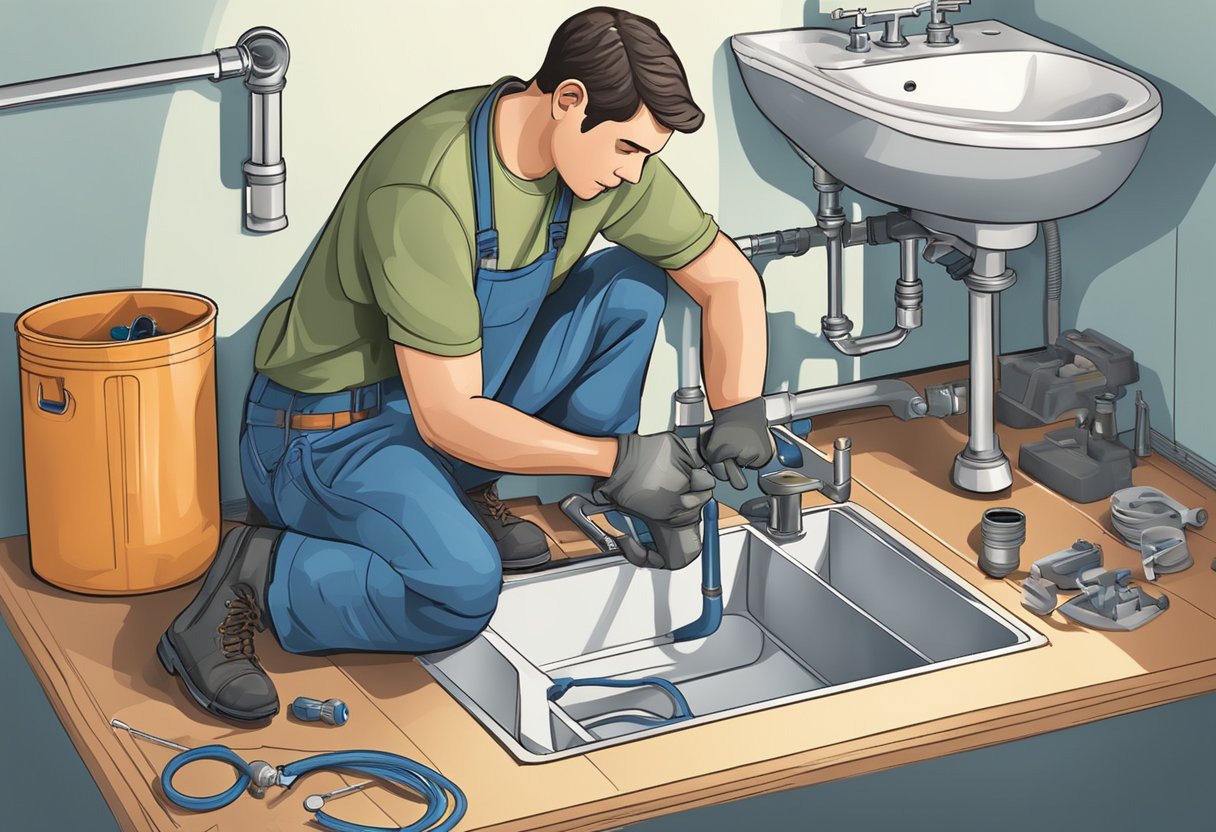
What is the Max Flow in Pipes? Understanding Capacity Limits

Understanding the maximum flow in pipes is crucial for both engineers and homeowners alike, as it impacts the efficiency and safety of plumbing systems.

When determining the maximum water flow, it’s essential to consider pipe size, material, and type.

Typically, you want to aim for a flow velocity of around 1-2 metres per second to prevent turbulence and potential damage.

Water flowing through interconnected pipes at varying diameters and pressure levels, with valves and gauges indicating the maximum flow

Local regulations often play a significant role in defining allowable flow rates as they ensure systems are designed to handle water supply demands safely.

Additionally, factors such as gravity flow and external energy sources, like pumps, influence these flow rates.

Exploring the nuances of pipe flow will guide you toward optimising your plumbing systems for efficiency.

Recognising the balance between pipe dimensions and flow velocity enables better decision-making, reducing both costs and potential issues with pipe integrity. Let us get to understand more on these with Plumber Warragul.

Fundamentals of Fluid Dynamics in Pipe Systems

Fluid dynamics in pipe systems encompass a range of principles that govern the behaviour of liquids as they move through pipes.

Key factors include fluid velocity, pressure loss, and the relationship between pipe diameter and water flow.

These principles help in calculating maximum flow capacity and understanding how factors like turbulent flow and Reynolds number influence system efficiency.

Understanding Fluid Flow

In a pipe system, fluid velocity is crucial as it determines how fast the water or other liquids travel.

The Reynolds number helps you distinguish between laminar and turbulent flow, impacting pressure loss and energy efficiency.

Pipe size and cross-sectional area also play major roles.

A larger pipe diameter generally means less head loss, although velocity may decrease, affecting overall flow rate.

Additionally, pressure drop occurs due to friction and changes in flow velocity, which must be accounted for in calculations to ensure optimal system performance.

Determining Maximum Flow in Pipes

To determine the maximum flow capacity in pipes, consider calculating the volume flow using equations like Hazen-Williams or the Darcy-Weisbach.

These formulas account for variables like pipe diameter, fluid velocity, and pressure drop.

Max flow is defined by the balance between pressure loss and erosion potential at higher turbulent flows.

Systems designed to carry water at high flow rates should be built with durable materials to limit erosion.

As the velocity of water increases, the potential for head loss due to friction rises, making material quality and system construction vital for reliable operation.

Technical Considerations for Pipe Flow

When analysing pipe flow, it’s crucial to understand how material and dimensions affect performance.

You’ll also need to calculate flow capacities and pressure losses for reliable operation.

These factors ensure that the system maintains efficiency and avoids issues like water hammer or undue friction losses.

Pipe Material and Dimensional Factors

Different materials like PVC pipes, steel pipes, and copper tubes impact flow characteristics due to their unique roughness coefficients and resistance to wear.

This not only affects the maximum flow velocities but also the long-term efficiency of the system.

In water systems or sewer systems, the dimensions, such as length and diameter, play a critical role in the discharge or gravity flow rates.

Pipe dimensions will directly influence the hydraulic radius and the slope of the energy line, vital factors for effective fluid flow. For more, see Plumber Warragul.

Calculating Flow Capacities and Pressure Losses

Accurately assessing pressure losses is essential for engineering a reliable system. Using flow rate calculators can simplify these calculations.

These calculators consider friction loss, the density of water, and factors such as viscosity. It’s also important to account for turbulence and water pressure in your calculations.

A pipe flow calculator can provide the mass flow rate and volumetric flow rate, especially in gravity-fed systems. Always align calculations with the expected operational conditions using both SI and imperial units for precision.

What is a Coaching Technique? A Comprehensive Overview

In the world of personal and professional development, coaching techniques have emerged as powerful tools for transformation. They are practical strategies and methodologies used by coaches to empower clients.

These techniques help clients learn new skills, achieve their goals, and foster continuous personal and professional growth. They are designed to build trust, encourage open communication, and motivate clients to discover their potential.

a coach explaining an important point in his coaching

Based on Make It Happen Coaching, effective coaching goes beyond simple guidance. It’s about facilitating a journey where clients can explore their own desires, challenges, and strengths. Through this approach, you can help individuals unlock their potential and find answers within themselves, ultimately leading to sustainable success.

You’re likely familiar with the powerful impact that a good coach can have. By mastering various coaching techniques, you can not only enhance your coaching sessions but also continuously adapt to meet the specific needs of each individual. This adaptability is key to fostering an environment where clients feel supported and empowered to take charge of their personal development.

Foundations of Coaching Techniques

Coaching techniques form the bedrock of effective coaching practice. They revolve around understanding the purpose of coaching, enhancing core skills, and building a strong coach-client relationship. These elements collectively foster personal growth and development, guided by empathy and accountability.

Understanding Coaching and Its Purpose

Coaching is a structured process aimed at enhancing personal and professional development. It involves setting clear goals and aligning them with an individual’s strengths and aspirations. The purpose of coaching is to facilitate growth and balance in various aspects of life by encouraging self-awareness and emotional intelligence.

By identifying and leveraging motivators, such as purpose and passion, coaching can inspire meaningful change. Accountability is crucial here, as it drives progress and commitment. Through structured conversations, coaching helps individuals navigate challenges, focus on personal growth, and achieve the desired outcomes. For more, visit Make It Happen Coaching.

Core Coaching Skills

Effective coaching requires a blend of skills that enable productive coaching sessions. Active listening is essential, allowing you to truly understand and respond to the client’s needs. This skill helps in building trust and rapport, which are foundational to a successful coaching relationship.

Developing empathy allows you to see situations from your client’s perspective, enhancing your ability to assist them. Equally important is fostering self-awareness, as it empowers both coach and client to recognize strengths and weaknesses. Mastering these skills ensures the coaching process remains client-focused, promoting sustainability and growth.

Establishing the Coaching Relationship

The coaching relationship is built on mutual trust and respect. From the first interaction, it is important to establish clear communication and define the expectations of both parties. Pre-session check-ins are useful to understand the client’s current state and prepare for upcoming sessions.

Building rapport quickly contributes to a safe environment where clients feel comfortable expressing themselves. Open dialogue fosters a collaborative atmosphere, essential for exploring deeper issues. The relationship evolves through regular feedback and adjustments to coaching strategies, ensuring continued relevance and effectiveness.

Advanced Coaching Techniques and Tools

Advanced coaching techniques can significantly enhance effectiveness by employing goal setting, personal development, and problem-solving strategies. They utilize tools such as open-ended questions and mindfulness practices to foster growth and confidently address obstacles.

Goal Setting and Achievement

Goal setting plays a crucial role in achieving desired outcomes. Use SMART goals to establish specific, measurable, achievable, relevant, and time-bound objectives. These targets give clarity and ensure focus.

Implement tools like the Wheel of Life to evaluate various life areas, highlighting where your clients can direct efforts. Encourage self-reflection to refine and set meaningful goals. Introduce affirmations to maintain positivity and motivation throughout the journey.

Coaching questions can guide exploration, thereby encouraging insight into what truly matters and how it aligns with broader aspirations. This achieved through effective guiding questions, creates an actionable roadmap.

Facilitating Personal and Career Development

Personal and career development relies on growth and improvement strategies. Career coaching often involves using behavioral coaching techniques to boost productivity and work-life balance. Encourage mindfulness and meditation practices to aid relaxation and focus.

Consider using the Spheres of Influence to help clients identify external factors affecting their development. This technique promotes a better understanding of what is within their control versus what is not.

To advance personal growth, apply positive psychology principles that enhance well-being. Use coaching tools like focus checklists and progress trackers to maintain accountability and track achievements, fostering sustained personal development.

Navigating Challenges and Overcoming Obstacles

Overcoming obstacles requires a strategic approach. Engage clients in self-reflection exercises to uncover limiting beliefs that might hinder progress.

Encourage reframing of challenges as opportunities for growth.

Problem-solving techniques and strategies can help manage overwhelm and breakdown complex issues into manageable steps.

Open-ended and coaching questions can guide you to explore alternative perspectives and solutions.

Incorporate relaxation exercises to reduce stress and improve problem-solving abilities. By focusing on mindfulness and meditation, you can enhance your clients’ ability to handle challenges calmly and constructively.

How Do Dubai Life Coaches Support Personal Development: Strategies for Success

How Do Dubai Life Coaches Support Personal Development? Life coaches in Dubai play a vital role in supporting personal development through customized guidance and strategies tailored to your unique needs.

They equip you with the tools to overcome challenges, discover your potential, and achieve a balanced personal and professional life.

a coaching forum

Whether you’re navigating career changes or seeking clarity in personal goals, these coaches provide a structured approach to help you meet your objectives.

In a city as dynamic as Dubai, the demand for effective life coaching is ever-growing.

With an emphasis on empowerment and goal setting, coaches in Dubai offer personalized sessions that can include face-to-face or virtual meetings. This makes it convenient for you to access expert guidance.

The process often involves identifying obstacles, enhancing skills, and fostering a deeper self-awareness crucial for growth.

By choosing a life coach in Dubai, you immerse yourself in a journey of transformation.

Whether you’re at a crossroads or aiming to scale new heights, the support you receive from these professionals can lead to profound changes. This ensures you’re not alone in your quest for personal development.

Fundamentals of Life Coaching in Dubai

How Do Dubai Life Coaches Support Personal Development?

Life coaching in Dubai is a growing field that supports individuals in achieving personal growth and career development.

Through tailored approaches and diverse methodologies, life coaches empower people to unlock their potential and align their actions with their aspirations.

Understanding the Role of a Life Coach

A life coach in Dubai serves as a guide and mentor, aiding you on your journey to self-improvement.

They are trained in methodologies that help you articulate your goals, address challenges, and implement actionable solutions.

Through coaching, you can achieve clarity in various aspects such as wellness, relationships, and career.

Life coaches offer support in navigating personal and professional transitions, building confidence, and cultivating a positive mindset.

Whether you’re looking for guidance as a career coach or support from a relationship coach, understanding the specific role you’re seeking is crucial.

The focus is on empowerment and developing strategies for success.

Types of Life Coaching Available

In Dubai, life coaches offer various specialized services to cater to different needs.

Personal development coaching focuses on overcoming limiting beliefs and living authentically.

Executive coaching enhances leadership skills, making it suitable for professionals aiming for advancement.

Career coaching supports career navigation and growth, while relationship coaching aims to improve interpersonal dynamics.

Wellness coaching is also popular, emphasizing health and life balance.

Each type of coaching has distinct methodologies tailored to address specific challenges and goals, ensuring a comprehensive approach to personal and professional growth.

Selecting the right type will help maximize the benefits you derive from the process.

How Life Coaches Facilitate Personal Development

Life coaches in Dubai play a vital role in fostering personal development by helping individuals identify their strengths and set actionable goals.

They provide support in overcoming challenges and promote self-awareness and emotional intelligence. This guidance leads to enhanced confidence, clarity, and success.

Identifying and Playing to Strengths

A life coach assists you in recognizing your unique strengths and talents.

By focusing on these areas, you can make informed choices and set a solid foundation for your personal and professional growth.

This awareness enables you to boost your self-confidence and achievements in a sustainable way.

Addressing imposter syndrome and enhancing leadership skills become attainable, paving the way for greater fulfillment and well-being.

Setting Goals and Creating Action Plans

Setting clear goals and crafting action plans are crucial for personal development.

A life coach guides you through this process, ensuring that your objectives are SMART (Specific, Measurable, Achievable, Relevant, Time-bound).

This structured approach makes it easier to track progress and maintain accountability throughout your coaching sessions.

By staying focused and motivated, you can effectively bridge the gap between your current situation and your desired destination.

Overcoming Personal and Professional Obstacles

Navigating personal and professional challenges is an essential part of the coaching journey.

Coaches help you overcome obstacles by offering strategies that build resilience and enhance decision-making capabilities.

Tackling stress management and imposter syndrome allows you to focus on self-improvement and professional growth.

With personalized coaching, you gain the support and guidance necessary to unlock new paths and opportunities.

Encouraging Self-Awareness and Emotional Intelligence

Fostering self-awareness and emotional intelligence is a key aspect of life coaching. Through various coaching methods, you learn to better understand your emotions and reactions. This aids in improving communication and work-life balance.

Developing emotional intelligence empowers you to handle stress and adversity with greater ease. This self-discovery process is instrumental in achieving a more balanced, fulfilling life and realizing your core purpose.

Do You Make Money as a Life Coach? Uncovering Potential Earnings

Stepping into the world of life coaching, you may wonder if it’s a viable path to financial success.

Yes, you can make money as a life coach. Potential earnings vary based on your experience and the services you offer.

Engaging in one-on-one coaching, group sessions, and even motivational speaking are some of the avenues through which you can increase your income.

a life coach talking to a client

The coaching industry offers flexibility, allowing you to tailor your business to your needs and strengths.

If you align your service with your unique skills, you can effectively reach and serve more clients.

This adaptability is a significant advantage for growing your coaching business.

With the continuous demand for personal and professional development, becoming a life coach like in Make It Happen Coaching, provides opportunities to thrive financially.

By building a reputation and expanding your client base, you can establish a profitable coaching practice.

Exploring the Life Coaching Profession

Life coaching offers diverse opportunities for personal and professional growth, focusing on various niches and credentialing paths.

An understanding of the coaching industry landscape can aid you in establishing a successful coaching business.

What Is a Life Coach?

A life coach is a professional who guides individuals in achieving personal and professional goals. Unlike therapists, coaches focus on the present and future rather than delving into past experiences.

As a coach, you support clients in exploring their aspirations and overcoming barriers.

Life coaching services may cover areas such as career advancement, relationships, or personal development.

Many coach practitioners specialize in niches, allowing them to target specific client needs more effectively.

Identifying your niche can differentiate your services in a competitive market.

If you are looking for a coach for your need, see Make It Happen Coaching.

Certification and Credibility

Becoming a certified life coach can enhance your credibility in the field.

Life coach certification programs are available through various institutions, including the International Coaching Federation (ICF). This renowned organization sets industry standards.

Certification ensures you have the necessary skills and ethical understanding to assist clients effectively.

Participating in accredited coaching programs can add value to your coaching business by signaling professionalism and expertise.

Clients are more likely to trust coaches with recognized credentials, which can lead to a more sustainable income.

The Business of Coaching

Running a coaching business requires strategic planning beyond simply offering coaching services.

Establishing a practice involves setting coaching rates, marketing your services, and managing financial aspects.

In North America, life coaching rates vary, with experienced coaches able to charge higher fees per session.

It is crucial to determine what rates are competitive yet appealing to your target clientele.

Offering group coaching programs can diversify your income streams and increase your client base.

Staying informed about industry trends can ensure your coaching practice remains relevant and profitable.

Income Insights and Strategies

Exploring the financial landscape of life coaching reveals varying income levels influenced by location, services, and strategies.

By understanding these factors, you can optimize your income potential.

Understanding Life Coach Salaries

Life coach salaries differ significantly across regions.

North American life coaches tend to earn the highest, with an average annual revenue of $62,500. Oceanian coaches follow closely at $61,100, while those in Western Europe average $51,100.

These figures are influenced by demand, industry reputation, and the unregulated nature of coaching.

Your pricing strategy is crucial.

For one-on-one coaching, you might charge an hourly rate, with executive coaches earning between $100 and $300 per hour.

Assessing local market conditions and your expertise level will guide you in setting competitive and fair rates.

Diversifying Coaching Revenue

Maximizing income involves expanding beyond traditional coaching.

Consider offering group coaching programs. These sessions enable you to reach multiple clients at once, increasing potential revenue.

Creating online courses helps generate passive income and reaches a broader audience.

Offline workshops and consulting services diversify your offerings further.

You could develop a mentorship program, appealing to clients seeking personalized guidance.

Each option allows you to tap into varied revenue streams, enhancing financial stability.

To ensure a steady income, balance diverse offerings with core services.

Understand your market and continuously innovate, aligning your services with client needs.

Diversification not only elevates your income but also strengthens your brand and client relationships.

What Upholstery Fabric Is Most Durable? An Expert Guide

“Choosing the right upholstery fabric is crucial for ensuring longevity and maintaining the aesthetic of your furniture.” said Leona Rodriguesi founder of Mornington Cabinet Makers.

With many options available, it’s essential to focus on materials that offer durability, resistance to stains and fading, and ease of maintenance.

Microfiber stands out as the most durable upholstery fabric. It boasts water resistance, stain repellency, and a soft yet resilient texture.

A cat scratching vigorously at a sofa with different fabric swatches nearby

For households with pets or high usage, consider the inherent toughness of fabrics like nylon or olefin.

These materials often possess excellent abrasion resistance and are less prone to wear and tear.

Duck fabric, known for its tightly woven structure, is another strong contender for those seeking long-lasting cotton options.

Understanding Upholstery Fabric Types and Durability

Upholstery fabrics vary significantly in terms of materials and durability. The choices range from natural fibres like cotton and linen to synthetic options such as polyester and nylon.

Each material offers unique benefits, durability factors, and care requirements that you should consider when selecting upholstery for your home.

Natural vs Synthetic Upholstery Materials

Natural fibers such as cotton, linen, wool, silk, and leather offer a blend of durability and aesthetic appeal.

Cotton is breathable and versatile, available in a variety of textures and colours.

Linen is known for its sophisticated look and durability, but it can wrinkle easily.

Wool provides warmth and elasticity, while silk offers luxury, requiring gentle handling. Leather is robust and offers a timeless elegance.

Synthetic materials include polyester, nylon, acrylic, olefin, and rayon.

Polyester is popular due to its stain resistance and colourfastness. Nylon boasts high durability and abrasion resistance, often mixed with other fibres to enhance strength.

Acrylic mimics wool and resists wear. Olefin is valued for its stain resistance and ease of maintenance. Rayon, while soft, is less durable.

Assessing Fabric Durability

The durability of upholstery fabric is measured primarily through abrasion resistance and its ability to withstand wear and tear.

A commonly used method is the “double rubs” test, quantifying how much friction the fabric can endure before showing wear.

Heavy use fabrics should have high double rub counts, ideally over 15,000, making them suitable for high-traffic areas.

Key aspects include pilling, where loose fibres form small balls on the fabric surface.

Check descriptions for terms like “pilling resistant” to ensure longevity.

Consider the fabric’s resistance to fading as well when exposed to sunlight to maintain vibrant colours.

Stain resistance is crucial, especially if you have pets or young children, making cleaning easier.

Factors Influencing Fabric Longevity

To maximise the lifespan of your upholstery, consider factors like ease of maintenance and professional cleaning requirements.

Regular vacuuming helps maintain fabric by removing dirt and debris that cause wear over time.

Some fabrics benefit from yearly professional cleaning to remove deep-seated dirt and stains.

Fabric care instructions should be carefully followed to prevent damage.

For example, avoid harsh chemicals on natural fibres that can weaken them over time.

You should also consider the fabric’s environment; humidity and exposure to direct sunlight can degrade materials.

Opt for easy-to-care-for options that match your lifestyle and environment.

Choosing the Right Upholstery Fabric for Your Needs

Selecting upholstery fabric involves considering durability, style, and the specific function of the furniture.

Some fabrics are better suited for heavy use, while others shine in style and aesthetics. Let us get to understand more on these with Leona Rodriguesi founder of Mornington Cabinet Makers.

Fabric Features for High-Traffic Areas

For areas with frequent use, durability is critical.

Fabrics like microfiber and canvas are excellent due to their high resistance to wear and tear.

Microfiber repels stains and is resistant to water, making it ideal for households with pets or children.

Fabrics with a tight weave, such as denim or twill, offer strength and durability, further enhancing longevity.

Vinyl and certain cotton blends also provide durability and easy maintenance in busy spaces.

Style and Comfort Considerations

The choice of upholstery fabric impacts both style and comfort.

Velvet upholstery offers a luxurious feel and vibrant colour options but is best suited for low-traffic areas.

Linen upholstery provides a light, airy look with a soft texture, adding elegance but requiring more careful maintenance.

Chenille is known for its comfort, with a plush texture that enhances the appeal of sofas and chairs.

Leather and faux leather offer a sleek, versatile look that fits various styles and are recognised for their longevity and easy cleaning.

Specific Upholstery Projects and Materials

Certain materials are better suited for specific projects. For outdoor furniture, look for fabrics that resist moisture and fading. Good choices include acrylic or specially treated cotton blends.

Choosing upholstery fabric for dining chairs might involve durable options like vinyl or leather, which are easy to wipe clean. For a casual, durable aesthetic in family rooms, denim or canvas could be ideal. They offer a balance between robustness and style.

Consider your project’s unique requirements to select the material that best meets practical and aesthetic demands.