What Upholstery Fabric Is Most Durable? An Expert Guide

“Choosing the right upholstery fabric is crucial for ensuring longevity and maintaining the aesthetic of your furniture.” said Leona Rodriguesi founder of Mornington Cabinet Makers.

With many options available, it’s essential to focus on materials that offer durability, resistance to stains and fading, and ease of maintenance.

Microfiber stands out as the most durable upholstery fabric. It boasts water resistance, stain repellency, and a soft yet resilient texture.

A cat scratching vigorously at a sofa with different fabric swatches nearby

For households with pets or high usage, consider the inherent toughness of fabrics like nylon or olefin.

These materials often possess excellent abrasion resistance and are less prone to wear and tear.

Duck fabric, known for its tightly woven structure, is another strong contender for those seeking long-lasting cotton options.

Understanding Upholstery Fabric Types and Durability

Upholstery fabrics vary significantly in terms of materials and durability. The choices range from natural fibres like cotton and linen to synthetic options such as polyester and nylon.

Each material offers unique benefits, durability factors, and care requirements that you should consider when selecting upholstery for your home.

Natural vs Synthetic Upholstery Materials

Natural fibers such as cotton, linen, wool, silk, and leather offer a blend of durability and aesthetic appeal.

Cotton is breathable and versatile, available in a variety of textures and colours.

Linen is known for its sophisticated look and durability, but it can wrinkle easily.

Wool provides warmth and elasticity, while silk offers luxury, requiring gentle handling. Leather is robust and offers a timeless elegance.

Synthetic materials include polyester, nylon, acrylic, olefin, and rayon.

Polyester is popular due to its stain resistance and colourfastness. Nylon boasts high durability and abrasion resistance, often mixed with other fibres to enhance strength.

Acrylic mimics wool and resists wear. Olefin is valued for its stain resistance and ease of maintenance. Rayon, while soft, is less durable.

Assessing Fabric Durability

The durability of upholstery fabric is measured primarily through abrasion resistance and its ability to withstand wear and tear.

A commonly used method is the “double rubs” test, quantifying how much friction the fabric can endure before showing wear.

Heavy use fabrics should have high double rub counts, ideally over 15,000, making them suitable for high-traffic areas.

Key aspects include pilling, where loose fibres form small balls on the fabric surface.

Check descriptions for terms like “pilling resistant” to ensure longevity.

Consider the fabric’s resistance to fading as well when exposed to sunlight to maintain vibrant colours.

Stain resistance is crucial, especially if you have pets or young children, making cleaning easier.

Factors Influencing Fabric Longevity

To maximise the lifespan of your upholstery, consider factors like ease of maintenance and professional cleaning requirements.

Regular vacuuming helps maintain fabric by removing dirt and debris that cause wear over time.

Some fabrics benefit from yearly professional cleaning to remove deep-seated dirt and stains.

Fabric care instructions should be carefully followed to prevent damage.

For example, avoid harsh chemicals on natural fibres that can weaken them over time.

You should also consider the fabric’s environment; humidity and exposure to direct sunlight can degrade materials.

Opt for easy-to-care-for options that match your lifestyle and environment.

Choosing the Right Upholstery Fabric for Your Needs

Selecting upholstery fabric involves considering durability, style, and the specific function of the furniture.

Some fabrics are better suited for heavy use, while others shine in style and aesthetics. Let us get to understand more on these with Leona Rodriguesi founder of Mornington Cabinet Makers.

Fabric Features for High-Traffic Areas

For areas with frequent use, durability is critical.

Fabrics like microfiber and canvas are excellent due to their high resistance to wear and tear.

Microfiber repels stains and is resistant to water, making it ideal for households with pets or children.

Fabrics with a tight weave, such as denim or twill, offer strength and durability, further enhancing longevity.

Vinyl and certain cotton blends also provide durability and easy maintenance in busy spaces.

Style and Comfort Considerations

The choice of upholstery fabric impacts both style and comfort.

Velvet upholstery offers a luxurious feel and vibrant colour options but is best suited for low-traffic areas.

Linen upholstery provides a light, airy look with a soft texture, adding elegance but requiring more careful maintenance.

Chenille is known for its comfort, with a plush texture that enhances the appeal of sofas and chairs.

Leather and faux leather offer a sleek, versatile look that fits various styles and are recognised for their longevity and easy cleaning.

Specific Upholstery Projects and Materials

Certain materials are better suited for specific projects. For outdoor furniture, look for fabrics that resist moisture and fading. Good choices include acrylic or specially treated cotton blends.

Choosing upholstery fabric for dining chairs might involve durable options like vinyl or leather, which are easy to wipe clean. For a casual, durable aesthetic in family rooms, denim or canvas could be ideal. They offer a balance between robustness and style.

Consider your project’s unique requirements to select the material that best meets practical and aesthetic demands.


What Factors Should a Furniture Designer Consider: Key Design Considerations

Designing furniture is a complex process that blends creativity with practicality.

As a furniture designer, you need to consider several crucial factors to create pieces that are both functional and aesthetically pleasing.

A key factor in furniture design is ensuring that the style aligns with the intended space and its purpose.

This means choosing appropriate materials and colours that complement the overall design scheme of the location where the furniture will be placed.

A furniture designer sketches on a drafting table, surrounded by various wood samples, measuring tools, and design books

You must balance artistic expression with usability, ensuring that proportions and ergonomics are prioritised.

The size of the furniture should be suitable for the space it occupies, enhancing rather than dominating the room.

By incorporating familiar elements, you can challenge conventional design while still appealing to the user’s comfort.

Mornington Cabinet Makers highlights “A good furniture designer also needs to be conscious of the environmental impact of their creations.”

Selecting sustainable materials and production methods can make a significant difference.

By focusing on these elements, you can create pieces that not only fit beautifully into their surroundings but also endure over time.

Core Principles in Furniture Design

When designing furniture, it’s essential to balance functionality, comfort, aesthetic appeal, and durability.

Each piece should serve its intended purpose efficiently while fitting seamlessly into the interior design theme.

Prioritising quality and the longevity of materials is also crucial for creating valuable and lasting furniture.

Functionality and Comfort

In furniture design, functionality is about how a piece serves its intended purpose.

You must consider the specific use and environment of the furniture.

Comfort must be integrated without compromising on function, as it directly impacts the user’s experience.

For example, a chair’s ergonomics, such as seat height and lumbar support, are vital for comfort.

In interior design, ensure the furniture fits well within the space and provides ease of movement.

Additionally, multi-functional pieces can enhance versatility, like a sofa bed in small apartments.

Aesthetic Appeal and Design Elements

Aesthetic appeal draws from the harmony between design elements such as colour, form, and texture.

Your furniture should align with the interior style, whether it’s traditional or modern.

Consider the visual impact: Balance bold and subtle details to create an inviting and cohesive look.

Incorporating diverse materials like wood, metal, and upholstery can add depth to the design.

The choice of materials should reflect both the design style and function.

Design elements should not only catch the eye but also complement the space’s architecture and design theme seamlessly. See Mornington Cabinet Makers for more design ideas.

Durability and Quality

The durability of furniture hinges on the quality of materials and craftsmanship.

Selecting high-quality materials—such as solid wood and durable fabrics—ensures longevity.

You should assess how materials respond to wear and the environmental conditions they will encounter.

Quality craftsmanship involves meticulous attention to construction details.

Techniques such as joint stability and reinforced fastenings contribute to a piece’s lifespan.

It’s vital to ensure that the craftsmanship reflects the furniture’s design style and that it maintains its function and aesthetic appeal over time.

Considerations for Spatial Design and Sustainability

Impact on Space and Clutter

Furniture design should be approached with an eye for space efficiency.

Consider how a piece fits into various settings such as flats, houses, and villas.

Assess the circulation flow and how the furniture might reduce or enhance clutter.

Interior designers often focus on the balance between aesthetics and functionality to create an ideal house environment.

Versatility is key—items that serve multiple purposes or can transform as needed are invaluable in managing limited space.

Think about modular components, like those often found in IKEA collections, which allow for customisation and adaptability.

Sustainability and Material Selection

Selecting sustainable materials is crucial in modern furniture construction. Prioritise materials that are recyclable, biodegradable, or responsibly sourced. For example, you can use certified wood or eco-friendly textiles. This consideration not only reduces environmental impact but also adds to the longevity of the piece.

The design process should incorporate strategies that extend the furniture’s life cycle. These strategies include ease of disassembly and refurbishment. Prioritising sustainability can transform a design by minimising waste and supporting ecological balance.

Aim to choose materials that reflect both innovation and environmental responsibility. This way, you can ensure each piece contributes positively to its surroundings.

What is the Cost of an Asset Search? Understanding Fees and Factors

When you’re in the midst of legal proceedings like divorce or litigation, understanding the financial landscape can be crucial. This is where an asset search becomes invaluable.

The cost of an asset search can vary significantly, ranging from just $100 to several thousand dollars. Depending on the depth of investigation required, the cost will vary. The objective often dictates the price, whether it’s due diligence, judgment recovery, or corporate asset exploration.

A detective's desk with a computer, files, and a magnifying glass, surrounded by shelves of legal books and binders

Asset searches can uncover hidden or hard-to-find assets, providing critical information that can influence outcomes in cases involving financial disputes or settlements.

The accuracy and thoroughness of the search can make a significant difference in legal strategies. Skilled professionals are adept at piecing together financial pictures, which can prove essential when transparency is limited.

Whether you’re a lawyer conducting due diligence in a legal case or an individual needing information for personal reasons, a comprehensive asset search informs better decision-making. Engaging professionals like Charles Jimerson from Private Investigator West Palm Beach, who specialize in these investigations can ensure that you obtain vital financial intelligence efficiently and effectively.

Understanding Asset Searches

Asset searches involve the systematic examination of various records to uncover assets owned by individuals or entities. These examinations are crucial for legal proceedings, collections, and due diligence.

Understanding what constitutes an asset, the different types of searches, and relevant legal considerations can provide clarity and assist in making informed decisions.

What Constitutes an Asset?

In the context of asset searches, assets are tangible or intangible entities that hold financial value and can be converted into cash. Examples include real estate, vehicles, bank accounts, and intellectual property.

You may also consider corporate assets like business inventory, equipment, and intangible assets such as patents and trademarks. Assets may also encompass financial information related to judgments, liens, and retirement accounts.

Recognizing these asset types is crucial in conducting thorough investigations.

Types of Asset Searches and Their Importance

Asset searches can be conducted using various methods, each with specific objectives.

Public records like those at the county recorder’s office can provide insights into real estate and corporate assets. Meanwhile, vehicle records, Uniform Commercial Code filings, and intellectual property registries are also valuable sources.

You may employ licensed investigators to dig into difficult-to-find data. These search companies offer services that are vital in family law cases like divorce proceedings, as well as in litigation or fighting criminal activity like money laundering.

Recognizing the right type of asset search helps cater to legal and personal needs effectively.

Legal Considerations in Asset Searching

When conducting asset searches, it’s important to abide by laws governing privacy and data access. Different jurisdictions impose legal restrictions on accessing certain financial data or personal property records.

You must be aware of legal frameworks related to legal proceedings and family law implications.

Using licensed investigators like Charles Jimerson from Private Investigator West Palm Beach or collaborating with law enforcement can ensure compliance with legal standards. Ignorance of legal boundaries in asset searches can result in criminal records or litigations, thus it’s critical for your legal battles to stay informed of these considerations.

The Financials of Asset Searching

When investigating asset searches, understanding cost variations is crucial. Asset search prices range widely due to numerous factors, including complexity, scope, and the entities involved.

Proper comprehension enables informed decision-making about selecting the right service provider.

Determining Asset Search Costs

Asset search costs typically vary based on scope and detail. A basic search might start as low as $100 for a quick electronic snapshot.

More comprehensive investigations, which encompass public and private records, often require licensed assets search companies or private investigators, and can cost several thousand dollars.

Hourly rates for skilled private investigators can range from $120 to $140. They meticulously piece together financial landscapes, investigating financial records and identifying potential assets.

Consultation fees are often involved, especially in complex cases, ensuring that asset searches align accurately with the objectives.

Factors Affecting Costs and Quality

Several factors influence both the cost and quality of asset searches.

The complexity of the task often dictates labor expenses. Financial investigations may require detailed scrutiny of cryptocurrencies, offshore accounts, liabilities, and corporate assets.

Achieving accuracy and comprehensiveness in these areas demands experienced, licensed investigators.

Pretexting, a controversial tactic, can impact the integrity and legality of information obtained.

Collection agencies and debt collectors might offer lower-cost options due to utilizing automated tools, but with varying effectiveness.

Prioritizing quality ensures a thorough search for hidden assets, child support claims, UCC filings, or bankruptcies, providing significant value for money spent.

Strategies for Asset Recovery

Strategies for effective asset recovery hinge on tailored approaches.

Choosing between personal asset investigation and corporate asset search strategies is essential.

In cases like judgment recovery, employing comprehensive asset searches through reputable agencies is beneficial.

Using sophisticated software to trace financial records provides clarity and direction for recovery efforts.

Involving legal professionals ensures adherence to regulations while optimizing asset search outcomes.

Collaborating with financial institutions can unearth detailed bank account searches. This aids the recovery process and enhances the chances of uncovering concealed or misreported assets.

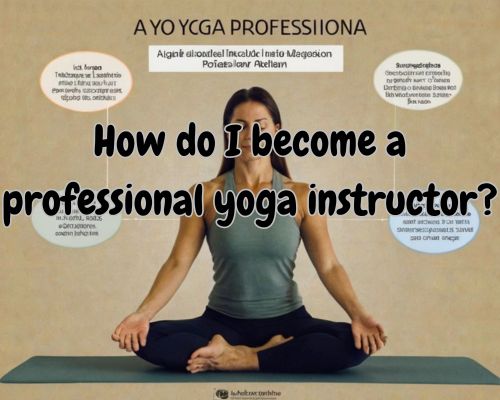
How Do I Become a Professional Yoga Instructor: A Step-by-Step Guide

Embarking on a journey to become a professional yoga instructor like Jane Benson from Bikram Yoga Mornington, can be both fulfilling and challenging.

To achieve certification, you’ll need to complete a rigorous and well-defined training program. Typically, this is through a Registered Yoga School (RYS) accredited by the Yoga Alliance.

Whether you opt for a 200-hour or a 500-hour program, you’ll gain foundational knowledge and practical skills essential for teaching yoga.

a professional yoga instructor

In Australia, the pathway to becoming a certified yoga teacher involves more than just completing a training program. With organisations like Yoga Australia setting professional standards, you have opportunities to advance through different membership levels as you accrue teaching experience.

This structured development not only enhances your qualifications but also supports your growth in professional development, ensuring you meet high standards.

Maintaining your status as a certified instructor requires ongoing commitment to learning and professional excellence.

Through continued education and practical teaching experience, you’ll build a rewarding career that enriches both your life and those of your students. By thoroughly engaging with these processes, you position yourself as a credible and inspiring figure in the yoga community.

Essentials of Yoga Instructor Certification

Embarking on the path to becoming a certified yoga instructor involves understanding various certification pathways, selecting an appropriate training program, comprehending the curriculum, and recognising the importance of registrations and accreditation.

Understanding Different Yoga Certifications

Yoga instructor certifications primarily stem from two prestigious bodies: Yoga Alliance and Yoga Australia. These organisations set industry standards ensuring quality and safety in practice.

You might start with a foundational RYT 200 certification, a 200-hour course, recognised globally for its comprehensive approach to basic yoga training.

For increased expertise, you may opt for RYT 500, which expands your knowledge and deepens your practice competency. Certifications endorsed by these bodies are highly regarded, aiding your credibility and employability as a yoga teacher.

Selecting a Yoga Teacher Training Program

Consider your goals when choosing a Yoga Teacher Training (YTT) program. Look for courses provided by a Registered Yoga School (RYS) to ensure compliance with established standards.

Programs usually offer various schedules and locations, including in-person and online formats.

Evaluate core factors including course content, instructor qualifications, peer reviews, and post-completion support.

Ensure the program aligns with certifications like RYT 200 or RYT 500 if one of your objectives is professional recognition.

Yoga Teacher Training Curriculum Overview

A typical YTT course comprises several essential components: postures (asanas), breathing techniques (pranayama), meditation, anatomy, and teaching methodology. These elements form a holistic approach, blending practical experience with theoretical knowledge.

Many programs also highlight the philosophy of yoga, its history, and ethical teaching practices.

Practical teaching sessions and peer collaborations are integral, offering you opportunities to apply your skills under guidance, fostering confidence and competence in leading classes.

The Role of Registrations and Accreditation

Registrations and accreditation play a vital role in maintaining professionalism within the yoga community.

Becoming a member of entities like Yoga Australia ensures adherence to high standards, impacting your teaching credibility.

Government recognition of yoga qualifications can vary, influencing your choices if intending to teach beyond studios, perhaps in educational or clinical spaces.

Affiliations such as those with Yoga Alliance increase trust among potential students and employers, often required for obtaining insurance or advancing your yoga career.

Developing Your Yoga Practice and Teaching Skills

To become a professional yoga instructor like Jane Benson from Bikram Yoga Mornington, you must cultivate your own practice, gain mastery in teaching methodology, and continuously improve your communication skills. Apprenticeships and ongoing education offer great opportunities to strengthen your capabilities in the field.

Building a Personal Yoga Practice

Developing a consistent personal yoga practice is foundational for any aspiring instructor.

Regular practice of asana, pranayama, and meditation fosters personal growth, health, and wellness.

This commitment not only enhances your understanding of each posture but also deepens your internal connection to the practice.

By continually refining your personal routine, you set a strong example for your future students, as they look to you for guidance and inspiration.

Explore various styles and traditional yoga schools to broaden your exposure, as this diversity will enrich your teaching palette.

Participating in yoga classes, retreats, or in-person training sessions can offer fresh perspectives and insights into your practice.

Remember, the inner journey of self-discovery remains an ongoing process, fuelling your professional growth and confidence as an instructor.

Mastery of Yoga Teaching Methodology

An intricate grasp of teaching methodology is paramount.

Enrolling in a reputable yoga teacher training program hones your understanding of anatomy and physiology, essential for safe and effective instruction.

Learn to adapt your classes to meet diverse student needs, balancing alignment, strength, and flexibility exercises tailored to individual abilities.

Embrace opportunities for teaching experience through workshops and apprenticeships, where you can observe seasoned instructors and apply techniques learnt in training.

Mentorship offers invaluable guidance, with seasoned mentors providing insights into effective lesson planning and student engagement.

Mastery comes not just from theoretical knowledge but hands-on experience, shaping your unique teaching style and methodology.

Communicating Effectively as a Yoga Teacher

Effective communication is key in guiding yoga classes with clarity and empathy.

Continuously develop your communication skills, focusing on clear instructions, supportive feedback, and active listening.

This ensures students feel safe and supported, promoting a nurturing environment.

Empathetic communication helps foster connections with students, understanding not only their physical but also emotional states throughout their yoga journey.

Being present and attentive cultivates trust, encouraging students to remain open and engaged. Tailor your language to suit student experience levels, providing clear modifications and adjustments to meet diverse needs.

Opportunities for Continuing Education and Growth

Engage in ongoing education to keep abreast of new research and trends in the yoga world. Pursuing courses in advanced anatomy, physiology, and specialised yoga therapy expands your skillset. It also enhances the services you offer.

Active participation in wellness activities and corporate wellness programs can broaden your professional horizons. It also helps build your teaching portfolio.

Develop an open mind towards learning, embracing change and innovation as you seek personal and professional development. Online courses, workshops, and seminars are valuable tools in this journey. They keep your teaching fresh and relevant.

Continuous growth ensures you remain informed, versatile, and well-equipped to guide your students with integrity and wisdom.

What are the Different Types of Stack Systems? Exploring Key Variations

In the realm of software development and computer science, understanding stack systems is essential for optimising data management and operations.

A stack is a linear data structure that follows the Last-In-First-Out (LIFO) principle. This means the most recently added element is the first to be removed. This mechanism is akin to a stack of plates; you add and remove plates from the top.

A collection of stack systems, including vertical, horizontal, and rotating designs, arranged in a grid pattern

There are several types of stacks that you might encounter. The simplest form is the static stack, typically implemented using arrays with a fixed size. This type of stack is straightforward but limited by its maximum capacity, which can lead to overflow if not managed correctly.

On the other hand, a dynamic stack adjusts its size as needed, usually implemented using linked lists. This makes it more flexible for applications where the number of elements can vary significantly. See Dean Owens from Plumber Warragul.

Stacks are not just limited to data structures but extend to tech stacks that refer to the combination of programming languages, tools, and frameworks used in software development.

Understanding these different stack systems can profoundly enhance your approach to problem-solving and system design, whether you’re handling simple algorithmic tasks or developing complex software solutions.

Foundations of Stack Systems

Stack systems are integral to data management and programming. Understanding their concepts, types, and implementations is essential for efficient data manipulation and organisation.

Concepts and Terminology

A stack is a linear data structure that adheres to the Last In, First Out (LIFO) principle. This means the last element added to the stack (push) is the first to be removed (pop). Essential operations include:

  • Push: Adds an element to the top.
  • Pop: Removes the top element.
  • Peek: Views the top element without removing it.
  • Count: Returns the number of elements.

Stacks are crucial in managing function calls, evaluating expressions, and handling backtracking algorithms.

Types of Stack Data Structures

Various types of stacks address different needs and implementation methods:

  • Array-Based Stacks: Efficient for fixed-size stacks where capacity is predefined. Simple to implement but can waste memory if the stack is underutilised.
  • Linked List-Based Stacks: Dynamic in size, ensuring memory efficiency. Elements are nodes linked together, making this type more flexible.
  • Software Stacks: Used in high-level programming for recursion and function calls management. Often integral to language runtime environments.

Different stack implementations affect efficiency, capacity, and memory usage.

Implementation and Use Cases

Implementing stacks in programming languages like Python, Java, or C++ can be done using classes. For example:

Python Class-Based Stack:

class Stack:
    def __init__(self):
        self.items = []

    def push(self, item):
        self.items.append(item)

    def pop(self):
        return self.items.pop()

    def peek(self):
        return self.items[-1] if self.items else None

    def count(self):
        return len(self.items)

Stacks are used in:

  • Expression Evaluation: Converting infix expressions to postfix or evaluating arithmetic expressions.
  • Function Call Management: Maintaining the order of function calls and returns.
  • Memory Management: Allocating and deallocating memory, particularly in recursive function calls.

Software Stacks and Their Components

Software stacks encompass various technologies and tools that work together to build functional applications. These stacks comprise distinct components focusing on frontend development, backend systems, database management, and server deployment technologies. See Dean Owens from Plumber Warragul.

Web Development Stacks

Web development stacks integrate technologies to create web applications. Frontend tech stacks often include HTML, CSS, and JavaScript.

Popular JavaScript frameworks and libraries are React, Angular, and Vue.js.

Backend tech stacks incorporate languages and frameworks like Node.js, Django, Ruby on Rails, and PHP.

Common stack configurations include the MEAN stack (MongoDB, Express.js, Angular, Node.js), MERN stack (MongoDB, Express.js, React, Node.js), and LAMP stack (Linux, Apache, MySQL, PHP).

Technology Stacks Frameworks

Frameworks are essential for streamlining development. MVC (Model-View-Controller) frameworks like Ruby on Rails and Django help organise code, making it modular and easier to manage.

These frameworks provide built-in tools that automate common web development tasks.

Frontend frameworks like Angular, React, and Vue.js help manage the user interface efficiently.

For backend, frameworks such as Express.js and Spring simplify the creation of server-side applications.

Database Management and Integration

Databases are critical for storing and retrieving data.

SQL databases like MySQL, PostgreSQL, and SQL Server offer robust data integrity and complex querying capabilities.

On the other hand, NoSQL databases like MongoDB are favoured for their flexible schemas and scalability.

Integration of databases involves connecting the software application to the chosen database management system. This requires expertise in setting up, configuring, and optimizing database structures.

Technologies like ORM (Object-Relational Mapping) tools such as Sequelize for SQL and Mongoose for MongoDB help simplify data manipulation.

Server and Deployment Technologies

Server and deployment technologies are crucial for hosting and scaling applications.

Web servers such as Apache, Nginx, and IIS handle client requests.

Technologies like Docker enable containerisation. This facilitates scalability and portability.

Deployment tools and platforms, including cloud services like AWS, Azure, and Google Cloud, offer scalable infrastructure.

They provide solutions for security, monitoring, and maintaining server health. This is done through automated processes and tools like CI/CD pipelines (e.g., Jenkins, GitHub Actions).

Effective server management ensures performance optimisation and security compliance, critical for a seamless user experience.

How Many Types of Plumbing Fittings Are There? A Comprehensive Guide

When working on your plumbing system, understanding the various types of fittings available can greatly enhance your project’s success.

There are around 20 different types of plumbing fittings that cater to needs such as water supply, drainage, and ventilation.

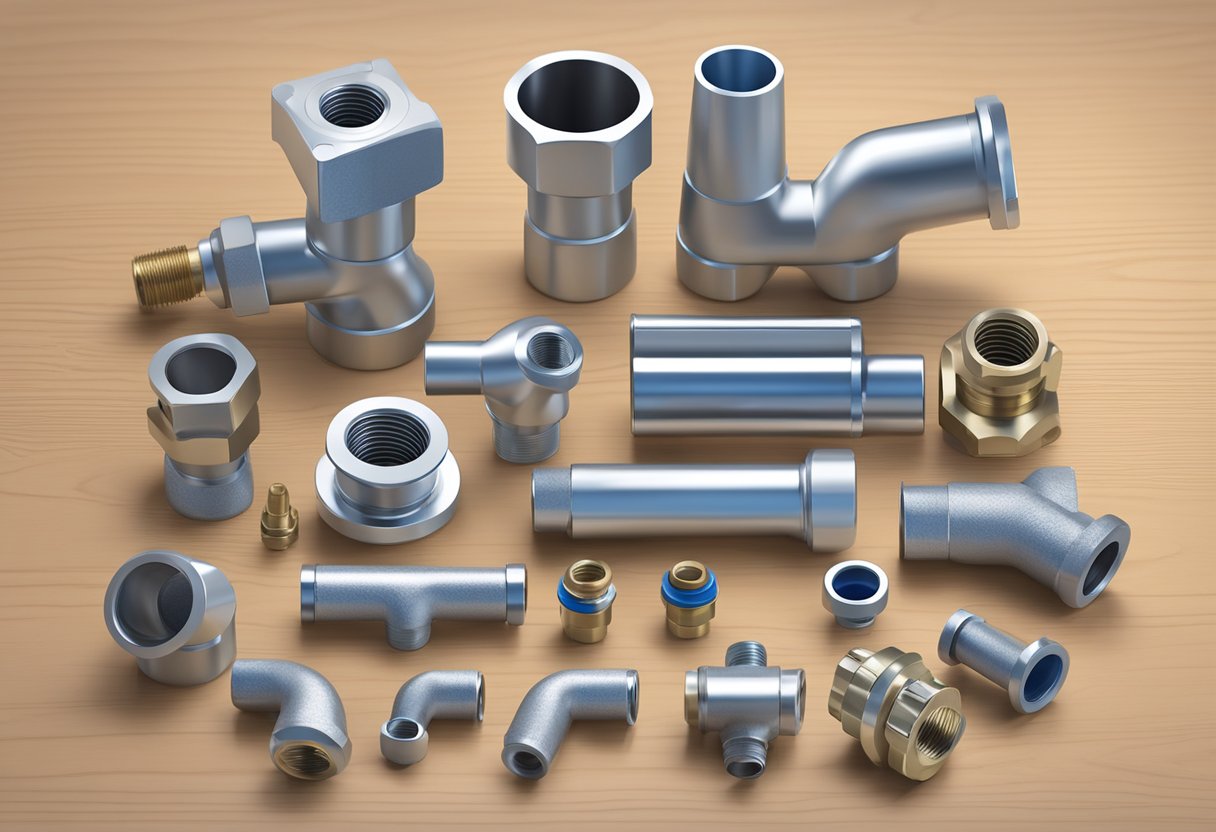
These fittings, including elbows, tees, and couplings, come in multiple materials like brass, PVC, and cast iron, making them versatile for different applications.

A variety of plumbing fittings arranged neatly on a workbench, including elbows, tees, couplings, and valves

Water supply systems often rely on fittings such as pipe nipples and hexagon nipples. These fittings connect pipes to appliances or extend pipe runs.

Meanwhile, drainage systems make extensive use of fittings like elbows and wyes, ensuring efficient fluid flow and reducing clogs.

Ventilation systems utilise specialised fittings to maintain proper air circulation within plumbing systems.

Based on Plumber Warragul, selecting the right type of plumbing fitting is crucial for ensuring the efficiency and durability of your plumbing system.

Different materials and designs are available to address specific needs and challenges you might face.

From withstanding high pressure in water supply lines to resisting corrosion in drainage pipes, each fitting plays a vital role in maintaining a robust and reliable system.

Types and Applications of Plumbing Fittings

Plumbing fittings come in various types and materials, each designed to perform specific functions within plumbing systems. This section explores the different materials used in plumbing fittings, their functions, and specialised fittings for control and connection.

Common Materials and their Properties

Plumbing fittings are made from a variety of materials, each chosen based on its properties and suitability for different applications.

Copper fittings are corrosion-resistant and have excellent thermal conductivity, making them ideal for hot water systems.

PVC and CPVC fittings are lightweight, easy to install, and resistant to chemicals, often used in cold and hot water supply lines.

Stainless steel and carbon steel fittings are known for their strength and durability, suitable for high-pressure applications.

Meanwhile, brass fittings offer good malleability and corrosion resistance, commonly used in water supply lines.

ABS plastic fittings are used mainly in drainage and waste systems due to their rigidness and impact resistance.

Every material has unique properties that make them suitable for specific plumbing jobs.

Fitting Types and Functions

Different types of fittings serve various purposes in plumbing systems.

Elbow fittings change the direction of pipes, useful in navigating around obstacles.

Tee fittings allow branch connections in plumbing lines, enabling multi-directional fluid flow.

Coupling fittings join two pipes of the same diameter, while reducers connect pipes of different diameters.

Adapters and unions make transitions between different pipe materials or sizes easier.

Finally, caps and plugs seal the ends of pipes, preventing leaks.

Nipple fittings, including hexagon and swage nipples, connect straight pipes or adapt changes in direction and diameter.

Each fitting type is essential in creating an efficient and leak-free plumbing system.

Specialised Fittings for Control and Connection

Specialised fittings offer control and specific connections in plumbing systems.

Valve fittings such as check valves prevent backflow, safeguarding water quality.

Meanwhile, barb fittings secure hoses in irrigation and ventilation systems, providing a tight seal.

Cross fittings connect four pipe sections at right angles, ideal for complex plumbing arrangements.

Also, flanges provide sturdy pipe connections in high-pressure systems.

Lastly, wye fittings join three pipes for efficient waste water drainage, while union fittings allow easy disconnection for maintenance.

Each specialised fitting is designed to optimise the plumbing system’s performance and reliability, ensuring functionality and safety.

Installation and Maintenance Considerations

Proper installation and maintenance of plumbing fittings are crucial to ensure a leak-free and efficient plumbing system. With Plumber Warragul, this section covers the different methods for connecting and sealing pipes, as well as how to troubleshoot common issues that may arise.

Connection Methods and Sealing Techniques

Several methods are available for connecting plumbing fittings, each with its own advantages.

For example, threaded connections are common, using male and female ends to secure a tight fit.

On the other hand, compression fittings utilise a nut and ferrule to seal the connection, ideal for water supply lines.

Meanwhile, slip fittings are handy for easily disconnecting and tightening connections.

Welding techniques are often used for metal pipes, ensuring a strong and durable seal.

In plumbing projects involving copper pipes, soldering using a lead-free solder offers a reliable leak-free joint.

The quality of the seal directly impacts the system’s longevity, so always ensure fittings are properly installed to avoid corrosion and leaks.

Troubleshooting Common Issues

When dealing with plumbing fittings, you might encounter common issues such as leaks or corrosion.

Inspect connections if you notice a drop in water pressure. This can signal a faulty seal or blockage.

One common problem is leaking threaded connections. You can often resolve this by applying thread seal tape or re-tightening the fitting.

Corrosion, particularly in metal pipes, can weaken seals and connections.

Address this by periodically inspecting fittings and replacing any corroded parts.

For blockages, especially in drainage and ventilation systems, ensure proper venting to maintain water flow.

In cases of persistent issues, replacing components such as check valves, elbows, and tees might be necessary to restore functionality.

How do You Become a Coach Like a Leader? Key Steps to Transforming Your Approach

Becoming a coach like a leader like in Make It Happen Coaching involves a unique blend of coaching and leadership skills. You must develop an in-depth mastery of yourself and your abilities. This foundation allows you to genuinely connect and inspire others.

a leader coach

To lead like a coach, you need to ask insightful questions, listen actively, and facilitate growth rather than simply issuing directives.

Embrace continuous learning and gain hands-on experience to truly grasp the principles and theories behind effective leadership. By doing so, you position yourself to navigate the complexities of guiding individuals and teams.

Building these competencies is essential for anyone looking to make a significant impact in the competitive fields of coaching and leadership.

Shift from a command-and-control model to one that encourages collaboration and self-discovery among your team members. This modern approach not only empowers those you coach but also fosters a culture of mutual respect and ongoing development. You transform from a mere manager to a catalyst for others’ success, embodying the true essence of a leader-coach.

Fundamentals of Leadership Coaching

To become a coach-like leader like in Make It Happen Coaching, you must grasp the essentials of the coaching landscape, embody the qualities of an effective coaching leader, and cultivate a coaching mindset. The focus here is on the elements that make leadership coaching impactful and successful.

Understanding the Coaching Landscape

Leadership coaching involves guiding others to reach their potential by leveraging emotional intelligence, self-awareness, and a growth mindset. This requires a grasp of the dynamics in different industries and roles, from the corporate environment to personal development spheres.

Understanding the landscape also involves recognizing the differences between various coaching roles such as leadership coach, executive coach, and life coach. Each has its own set of objectives, methods, and client profiles, which can impact your coaching approach and techniques.

Qualities of an Effective Coaching Leader

An effective coaching leader prioritizes empathy, listening, and feedback. Your role is to create a space of psychological safety where team members feel valued and heard. This encourages open communication and trust.

Self-awareness and emotional intelligence are critical. You must understand your own emotional responses and how they affect your coaching. This includes being aware of your strengths, weaknesses, and how you are perceived by others.

Consistency and reliability are also key attributes. Being a dependable mentor who follows through on commitments fosters a culture of trust and respect, essential for successful leadership coaching.

Developing a Coaching Mindset

Adopting a coaching mindset requires a fundamental shift from a command-and-control leadership style to one that is more collaborative and supportive.

Focus on empowering your team rather than directing them. This involves a dedication to lifelong learning and continual self-improvement, essential for staying relevant in your coaching business.

A growth mindset is crucial. Encourage your team to see challenges as opportunities for development rather than obstacles.

Provide constructive feedback regularly and celebrate incremental successes to maintain motivation.

Effective leaders also employ active listening to understand fully and respond to the needs and aspirations of their team members. This nurtures a supportive environment where individuals feel understood and valued, driving the overall success of the group.

Practical Aspects of Leadership Coaching

Effective leadership coaching involves utilizing diverse techniques and tools to enhance the strengths and behaviors of leaders. This section will explore the essential aspects that contribute to successful coaching, fostering a supportive and collaborative culture, and measuring performance and outcomes.

Leadership Coaching Techniques and Tools

Utilizing effective techniques and tools is crucial for coaching.

These methods can include structured coaching conversations, consulting sessions, and workshops.

A structured coaching approach helps in maintaining focus on specific targets and areas for improvement.

Behavioral assessments and feedback tools are vital in helping leaders recognize their strengths and development areas.

These tools guide the coaching process by providing valuable insights into the leader’s performance.

Additionally, resources such as reading materials and networking opportunities offer ongoing support and learning.

By integrating these techniques and tools, you can provide comprehensive guidance that promotes growth and effective management.

Building and Sustaining a Coaching Culture

Creating a coaching culture within an organization requires a focus on collaboration and alignment with the organization’s mission, vision, and values.

Start by clearly communicating the importance of coaching to all team members. Encourage open feedback and foster an environment where coaching becomes a part of everyday practice.

Support your team through training sessions and development programs that highlight the benefits of coaching.

Recognize and reward coaching behaviors to reinforce the culture.

Building a sustainable coaching culture also involves modeling coaching behaviors at all levels of the organization.

Leaders should demonstrate commitment to coaching and lead by example, ensuring that coaching isn’t just a one-time activity but a continuous process.

Measuring Coaching Outcomes and Performance

Measuring the effectiveness of leadership coaching is essential to ensure it meets the desired outcomes and performance improvements.

Use evaluation tools to track progress and assess the impact of the coaching efforts.

Set clear, measurable goals and targets at the beginning of the coaching engagement.

Regularly review these objectives and provide feedback to ensure alignment with the desired outcomes.

Utilize performance metrics to gauge the improvement areas. These areas include increased productivity, enhanced team collaboration, and better execution of strategic goals.

By continuously monitoring these metrics, you can ensure that the coaching process delivers tangible growth opportunities. It also drives the overall success of the organization.

What are the Concepts of Coaching Leadership? Essential Principles for Effective Mentoring

Coaching leadership is a distinct approach that emphasizes personal growth and professional development. At its core, coaching leadership centers on guiding team members to unlock their potential and achieve their goals.

professionals having a serious talk

This style fosters an environment of continuous learning and development, enabling individuals to enhance their skills and strengths.

As a coaching leader, you play a crucial role in facilitating this journey. You provide support and feedback while encouraging self-discovery and problem-solving just like what Make It Happen Coaching offers. This style not only improves individual performance but also builds a strong, motivated team capable of overcoming challenges together.

By adopting the principles of coaching leadership, you cultivate a culture where team members feel valued and engaged. The emphasis on mentorship and development creates a positive atmosphere that drives both personal and professional growth. This approach ultimately leads to a more dynamic and effective organization, underpinned by trust and collaboration.

Fundamentals of Coaching Leadership

Coaching leadership is centered on developing and nurturing team members through a structured, supportive process. This leadership style emphasizes growth, engagement, and fostering a trusting environment where team members can thrive. Let us get to understand more on these with Make It Happen Coaching.

Defining Coaching Leadership

Coaching leadership focuses on guiding team members to reach their full potential. A coaching leader helps individuals set and achieve personal and professional goals by providing regular feedback, support, and engagement. By employing techniques like active listening and asking questions, coaching leaders create an empathetic and trust-based environment.

The goal is to align individual growth with the organization’s objectives, ensuring both the individual and the team move towards a common goal. This approach requires a growth mindset and adaptability to various challenges.

Core Principles of Coaching Leadership

Several core principles define effective coaching leadership:

  1. Trust and Support: Establishing a trusting relationship where team members feel safe to express themselves.
  2. Empathy and Active Listening: Understanding and addressing the individual needs and concerns of team members.
  3. Goal Setting: Developing SMART goals that provide clear direction and measurable outcomes.
  4. Continuous Feedback: Offering constructive feedback to foster ongoing development and improvement.
  5. Collaboration and Engagement: Ensuring that leaders and team members work together towards mutual objectives and maintain high levels of engagement.

By adhering to these principles, you can create a coaching culture that promotes continuous development and mutual respect.

Styles and Models of Coaching Leadership

Various styles and models can be utilized to implement coaching leadership effectively:

  • Transformational Leadership: Inspires and motivates team members to exceed expectations by focusing on vision and change.
  • Authentic Leadership: Emphasizes transparency, ethical behavior, and relational trust.
  • Situational Leadership: Adapts coaching strategies based on the evolving needs of team members and different situations.
  • Transactional Leadership Style: Focuses on task completion and rewards but integrates coaching elements to support individual growth.

Different models, such as the GROW model (Goal, Reality, Options, Will), provide structured approaches to the coaching process, ensuring a comprehensive framework for guiding team members towards desired outcomes.

Implementing Coaching Leadership in Organizations

To successfully implement coaching leadership in organizations, you must split the focus into three areas: team development, managerial effectiveness, and addressing various challenges.

Coaching Leadership for Team Development

Coaching leadership helps teams by encouraging collaboration and fostering a trusting relationship. A leader should create an environment where self-awbareness and personal growth are valued.

Utilize active listening and powerful questions during coaching conversations to understand team members’ perspectives better. Encouragement and mentorship play crucial roles in promoting a supportive atmosphere.

Setting clear goals and providing constructive feedback guide the team towards improved performance. Focusing on behavioral change and professional development will lead to higher team performance and success.

Enhancing Managerial Effectiveness

Coaching leadership style enhances managerial effectiveness by improving communication skills and increasing emotional intelligence. Managers should adopt situational leadership to adapt to different team dynamics.

Leaders need to engage in regular coaching conversations, focusing on personal and professional growth of their team. Aiding in clarity and consideration of employees’ goals builds a trusting relationship.

Encouraging feedback and open dialogue helps in aligning team efforts with organizational goals. This approach leads to a transformational leadership model where managers and team members grow together.

Challenges and Best Practices

Implementing coaching leadership comes with its challenges. Some of these include resistance to change and the need for continuous training.

Recognize these drawbacks and address them with power and clarity.

Developing a structured coaching program with clearly defined objectives and scope ensures consistency and effectiveness. This involves setting specific milestones and using expertise from experienced coaches.

Balancing the leadership styles and maintaining control without micromanaging fosters an authentic leadership culture. Investing time in regular sessions and feedback loops helps to mitigate potential issues and enhance the coaching process.

What are the 7 P’s of Coaching? Key Components for Effective Guidance

Coaching is a multifaceted field. Understanding its core principles can make a significant difference in your practice.

The “7 P’s of Coaching” are essential elements that guide effective coaching strategies. These principles serve as a framework for fostering growth, understanding the value of coaching, and navigating the coaching relationship. Let us have more understanding on these with Make It Happen Coaching.

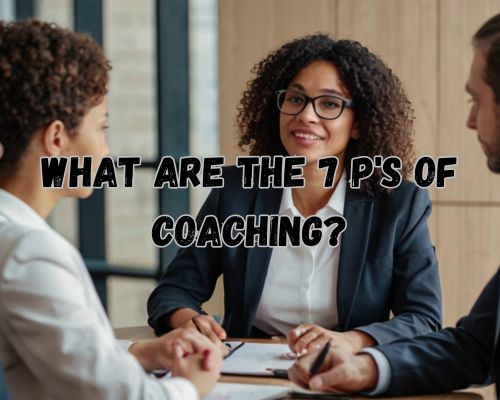
coaching session in an office

Purpose is the driving force behind any successful coaching engagement. It sets the stage for what you aim to achieve and keeps both coach and client aligned.

The focus on People emphasizes the importance of understanding your client’s needs, strengths, and weaknesses to build a robust coaching relationship.

Product and Place go hand in hand, covering the tools and environments that facilitate coaching. Promotion and Price address how you market your services and the value you bring to the table. Finally, Process involves the steps and methodologies you use to deliver effective coaching.

Understanding and implementing these principles can transform your coaching practice, making it more effective and impactful.

Understanding the 7 P’s of Coaching

Effective coaching revolves around a strategic framework encompassing key elements like purpose, passion, preparation, planning, process, practice, performance, and progress. These principles help manage and nurture skills, communication, and growth.

Purpose and Passion

Purpose identifies the core reason behind the coaching engagement. Any effective coaching begins with clear goals and objectives. Knowing why you are coaching and what you aim to achieve is fundamental to success.

Passion fuels this purpose. As a coach, your enthusiasm and commitment can inspire and motivate others. A deep-seated passion for the work ensures that you remain engaged and invested in your coachees’ success, driving both personal and professional growth.

Preparation and Planning

Preparation involves understanding the needs and goals of those you are coaching. It demands a thorough assessment of their skills, behaviors, and current performance.

Effective preparation also includes gathering relevant resources and tools to aid the coaching process.

Planning, on the other hand, involves strategizing the steps needed to achieve the set objectives. This includes creating a structured framework for sessions, setting milestones, and ensuring all activities align with the overall purpose.

Good planning helps in maintaining focus and direction throughout the coaching engagement.

Process and Practice

The coaching process is the sequence of steps that you follow to guide your coachees. This involves various techniques and methodologies to impart skills, overcome challenges, and foster behavioral changes.

A well-defined process helps ensure consistency and effectiveness across coaching sessions.

Practice is about applying these processes regularly. Repetition and ongoing practice help in solidifying the new skills and behaviors you aim to develop in your coachees.

This continuous practice enhances their learning and confidence, leading to improved performance over time.

Performance and Progress

Performance focuses on how well the coachees are applying what they have learned. Monitoring and assessing their performance is critical for identifying areas of improvement and providing timely feedback.

Effective coaches like in Make It Happen Coaching utilize performance metrics to track progress and make necessary adjustments.

Meanwhile, Progress involves the gradual improvement and development of your coachees. By tracking progress over time, you can identify patterns, celebrate successes, and address any performance issues that arise.

Continuous progress signals the effectiveness of your coaching strategies and ensures that coachees are moving towards their goals.

Engagement and Tools for Effective Coaching

Creating value and fostering self-awareness are crucial for effective coaching. You need to facilitate clarity, active participation, and consistent improvements.

Creating a Constructive Coaching Relationship

A strong coaching relationship hinges on trust and open communication. Actively listen and show empathy to build a supportive atmosphere.

These qualities encourage the coachee to share openly and engage fully.

Empower clients by involving them in creating goals and identifying roadblocks. This shared responsibility leads to better adherence and a sense of ownership for their progress.

Managers and leaders should use these techniques to enhance job skills and career advancement.

Empowering Techniques and Questions

Split text up into at most two sentences per paragraph.

Utilize varied coaching techniques to adapt to individual needs.

Michael Bungay Stanier’s coaching questions like the AWE question, focus question, and strategic question help in uncovering insights and driving the conversation forward.

Surveys and self-assessment tools can measure progress and self-awareness.

Regular feedback, combined with journaling, promotes reflective learning and clarity.

Empower your clients with proactive skills and systems to apply new knowledge, leading to improved adaptability and perspective.

How do you structure a business coaching session? Essential Steps for Effective Sessions

Structuring a business coaching session effectively is crucial for achieving desired outcomes and fostering a productive coaching relationship.

“Set clear and definitive objectives for your session to ensure that every moment is maximized for value.” said Gines Satchi of Make It Happen Coaching.

A cozy office with a desk, two chairs, and a whiteboard. A laptop and notepads are scattered on the desk, while the window lets in natural light

Begin with a welcoming tone to build rapport and outline the agenda, which aligns both you and the client on the goals for the session. A positive start fosters an open and communicative atmosphere.

Next, take time to review and celebrate successes since the last meeting. This step not only acknowledges progress but also sets a constructive tone for tackling any challenges.

Use this phase to assess what worked and what requires more focus, ensuring that both you and your client are on the same page.

Don’t forget to organize your coaching materials in advance—notes, audio/video presentations, etc., can make your session run smoothly.

Cultivate a habit of taking notes during and after sessions to track progress and prepare for future discussions.

Tailor your approach to fit the coaching model you prefer. Whether it’s the GROW model or another framework, make sure it best supports your coaching style. This ensures each session is both effective and productive.

Establishing the Coaching Framework

To create a successful coaching session like what Make It Happen Coaching does, you should focus on building rapport and trust, setting clear goals and expectations, and ensuring a comfortable and safe environment.

Building Rapport and Trust

Building rapport and trust is foundational. Start with a warm introduction and show genuine interest in your client’s professional and personal life. This initial connection can set the tone for open and honest communication.

Listen actively and ask thoughtful questions. This helps you understand their challenges and enables them to feel heard.

Use positive body language and verbal affirmations. Acknowledging their progress and concerns builds confidence in the coaching process.

Maintaining confidentiality is key. Ensure your client that their discussions are private. This forms the basis for a trusting relationship.

Setting Goals and Expectations

Clear goals and expectations provide direction. Begin by discussing what the client wants to achieve in the session. Understand their long-term aspirations and how they align with today’s objectives.

Document these goals to keep both parties accountable. Regularly review and adjust them as needed.

Specific, measurable, achievable, relevant, and time-bound (SMART) criteria can guide effective goal setting.

Be transparent about the coaching program’s structure. Outline what each session will cover and how it fits into the broader coaching journey. This clarity helps in managing expectations and tracking progress.

Creating a Safe and Comfortable Space

A safe and comfortable space enhances engagement. Choose a quiet, private location free from interruptions. This physical setup matters as much as your approach.

Encourage openness by creating an atmosphere where your client feels supported. Be non-judgmental and patient, allowing them to express their thoughts without fear.

Use empathetic language and show understanding of their challenges. Knowing they are in a safe space empowers them to explore complex issues more freely, enriching the coaching process.

Executing the Coaching Session

Executing a business coaching session involves setting the stage for open communication, guiding the conversation effectively, reflecting on progress, and planning actionable steps for future improvement. Each part is crucial to ensure a successful and impactful session.

Conducting the Warm-Up

Begin the session with a brief warm-up to establish rapport and set a positive tone.

Start with a welcoming interaction to make your client comfortable. Outline the session’s agenda clearly, ensuring alignment on goals.

Use open-ended questions to engage your client right from the start. This helps in creating an open, communicative atmosphere that sets the foundation for deeper discussions later.

Engaging in the Coaching Conversation

The coaching conversation is the core of the session. Utilize active listening to understand the client’s needs and experiences deeply.

Powerful questions encourage clients to think critically and provide insights into their challenges and potential solutions.

Focus on facilitating a dialogue rather than dictating solutions. Ensure your questions are open-ended to promote an insightful and reflective conversation. This helps in uncovering breakthroughs and encouraging self-discovery.

Facilitating Reflection and Insight

Guiding your client to reflect on their progress is essential.

Encourage them to review their achievements and understand any obstacles faced since the last session. Also, utilize reflective questions to prompt deeper thinking and self-awareness.

Highlight significant moments or breakthroughs in their reflection. This process not only validates their progress but also builds confidence and motivation.

Developing Actionable Plans

End the session by developing clear, actionable plans.

Collaboratively set specific objectives and action steps for the client to work on until the next session.

Ensure these plans are realistic and achievable. They should offer a sense of direction and purpose.

Accountability is key.

Establish a method for tracking progress, whether through follow-up meetings, digital tools, or self-reporting.

This not only keeps the client on track, but also reinforces commitment and responsibility towards their goals.

How Do You Know You Need a Business Coach? Key Signs and Benefits

Recognizing when you need a business coach can transform your entrepreneurial journey. It’s not just about struggling or failing; sometimes, you might find yourself overwhelmed by your business’s demands.

A business coach like in Make It Happen Coaching offers the objective insights and strategic guidance you need to overcome obstacles and succeed.

a client having negotiation with a business coach

Business coaches help you set and achieve clear, actionable goals. If you’re feeling stuck or unsure of your next steps, a business coach can provide clarity and focus.

They ensure that you prioritize effectively, allowing you to navigate complex decisions and realign your efforts toward meaningful progress.

Hiring a business coach often brings measurable benefits. Statistics show that coaching can enhance team effectiveness and boost profitability.

Whether you’re looking to improve sales, refine your skills as a leader, or accelerate growth, the right business coach can be a valuable asset to your success.

Identifying the Need for a Business Coach

Understanding when to seek a business coach involves examining your personal and business goals, identifying performance challenges, and recognizing the value of external expertise. Here’s how to assess if a business coach is right for you.

Assessing Personal and Business Goals

To determine if you need a business coach, evaluate your personal and business goals. Are you clear about your vision for your organization? Do you have a concrete plan for growth and profitability?

Without clear objectives and actionable strategies, achieving success can become challenging. A business coach can help create a structured plan and offer tools to track your progress.

They can also help entrepreneurs set long-term goals aligned with personal aspirations.

Recognizing Challenges in Business and Performance

Acknowledging challenges in your business and performance is a strong indicator that you might need a business coach. Are you facing declines in sales or struggling with your marketing strategy? Maybe you’re finding it hard to maintain consistent profitability or team performance?

Coaching can offer valuable insights and strategies tailored to your specific issues. Whether it’s refining your business model or improving team dynamics, a coach provides targeted advice and accountability to help overcome obstacles.

Understanding the Value of External Expertise

The value of external expertise cannot be underestimated. It’s crucial to recognize that sometimes external support can bring a fresh perspective.

Are you leveraging all possible avenues to enhance your business operations and achieve better results?

A coach acts as both a mentor and a consultant, offering specialized knowledge that may be outside your current skill set. They bring an unbiased viewpoint, helping you see blind spots and offering strategies for sustained growth.

The Benefits of Engaging with a Business Coach

Business coaches provide valuable insights, expert advice, and a structured approach to help you and your business reach new heights. They offer tailored solutions to improve leadership skills, facilitate better client relationships, and expand your professional network just like Make It Happen Coaching.

Advancing Towards Measurable Success

A business coach helps you achieve measurable progress. You set attainable goals tailored to your needs and receive structured feedback to keep you on track.

This process improves your business growth through refined planning and accountability. A coach’s guidance allows you to effectively allocate resources and achieve a high return on investment.

For business owners, this guidance translates into concrete steps to build confidence and systematically improve their ventures. As a result, achieving measurable success becomes more practical and less daunting.

Enhancing Leadership Skills and Organizational Growth

Leadership is pivotal for organizational success. A coach enhances your leadership skills and provides training to refine your management skills.

This not only boosts your confidence but also fortifies your business against common challenges. You’re encouraged to think strategically about business growth and develop a proactive approach to management.

The mentoring provided helps leaders adopt best practices and innovative marketing techniques.

Strengthening Client Relationships and Expanding Networks

A business coach can play a crucial role in building strong client relationships and growing your networking opportunities.

By sharpening your communication skills, you develop better understanding and rapport with your clients.

Additionally, a coach can introduce you to valuable contacts within your industry, broadening your professional network.

This not only expands your potential client base but also provides mentorship and collaborative opportunities with like-minded entrepreneurs.

By leveraging these relationships, you can explore new business opportunities and drive sustained growth.

Are Gutters Very Expensive? Understanding the True Cost

When considering the expense of gutters, it’s essential to recognize their critical role in protecting your home from water damage.

Mike Owen from Gutters Of West Palm Beach highlights “Gutters channel rainwater away from your roof, walls, and foundation, preventing potential issues like mold, erosion, and structural damage.”

an expensive rain gutter installed

The cost of gutters can vary widely. Depending on materials and installation specifics, prices can range from as low as $600 to as high as $6,000. Investing in them is crucial for long-term home maintenance.

Different materials impact the overall cost. Aluminum and vinyl are more affordable, whereas copper and steel tend to be pricier.

Despite the higher upfront expense, durable materials like copper can offer longevity and superior performance. This makes them a worthwhile consideration for many homeowners.

Understanding the variations in pricing and material benefits can help you make an informed decision.

Whether you’re installing new gutters or replacing older ones, factoring in your home’s specific needs and local climate conditions will guide your choice.

Your investment in gutters plays a significant role in safeguarding your property, making it a wise allocation of resources for any homeowner seeking to maintain their home effectively.

Understanding Gutter Costs

Gutter installation costs vary widely based on several factors including materials, labor, and project specifics. The following points offer a closer look at what influences the pricing and the differences between materials and installation types.

Factors Influencing Gutter Prices

Several factors impact the cost of gutter installation.

Home size and the length of gutters needed directly affect the total cost.

Labor costs can vary based on your location and the complexity of the installation.

Different materials also influence the price.

Aluminum and vinyl gutters are generally more affordable, while copper and steel gutters come at a premium.

Climate and weather conditions may also drive the need for more durable options, impacting the overall expense.

Comparing Gutter Materials

Various materials are available for gutters, each with its own cost benefits and drawbacks:

  • Aluminum Gutters: Typically cost-effective and easy to install, ranging from $6 to $12 per linear foot.
  • Vinyl Gutters: Inexpensive but less durable, priced at $2 to $5 per linear foot.
  • Steel Gutters: More robust and weather-resistant, costing between $9 and $20 per linear foot.
  • Copper Gutters: High-end option with a longer lifespan, costing $25 or more per linear foot.

Zinc gutters are another choice but tend to be rarer and at a similar price to copper gutters.

Seamless gutters, though more expensive to install, offer fewer leaks and reduced maintenance compared to sectional gutters.

Cost Breakdown of Gutter Installation

The average cost for new gutter installation fluctuates based on various factors. On average, homeowners spend approximately $2,300 to $4,100 overall.

Labor costs are often calculated per linear foot, averaging around $22.50, but varying between $13 to $34.50. You may also seek to Mike Owen from Gutters Of West Palm Beach for an affordable and better costing.

Materials like aluminum, steel, and copper must also be factored into the cost.

Installation might also include costs for leaf guards or additional features, raising the overall expense but potentially reducing future maintenance.

Long-Term Considerations for Gutters

When evaluating gutters, you must consider various factors such as maintenance, durability, additional features, and the overall value they provide to your home.

Maintenance and Durability of Different Gutter Materials

Different gutter materials offer various levels of maintenance and durability.

Aluminum gutters are a popular choice because they are rust-resistant and relatively easy to maintain.

Vinyl gutters are inexpensive and offer decent durability but may crack in extremely cold climates.

Copper and galvanized steel gutters are long-lasting and robust, though they might require professional maintenance to prevent rust and corrosion.

Stainless steel gutters provide excellent rust resistance and durability but come at a higher cost.

Gutters made from zinc are also highly durable and rust-resistant, requiring less frequent maintenance.

Additional Gutter Features and Accessories

Adding features like gutter guards, splash blocks, and different downspouts can improve the long-term performance of your gutters.

Gutter guards help keep debris out, minimizing maintenance and protecting against mold and water damage.

Splash blocks and proper downspouts, such as round or box shapes, prevent soil erosion and protect your home’s foundation.

For aesthetic and functional value, consider accessories like rain chains and drip paths to guide rainwater efficiently.

Hangers and end caps ensure your gutter system remains securely attached and leak-free, reducing the chances of damage over time.

Evaluating the True Value of Quality Gutter Systems

Investing in quality gutter systems, like seamless or fascia gutters, can provide long-term benefits.

Though the initial cost might be higher, they require less frequent replacements and repairs.

High-quality gutters, such as those made from copper or stainless steel, can last for decades. They also offer superior performance in various weather conditions.

Well-maintained gutters help prevent foundation shifting, soil erosion, and water damage to your home. This helps to contribute to the overall structural integrity.

Engaging with local gutter experts for reviews and installation advice ensures you make an informed decision that benefits your home in the long run.

Can a Homeowner Roof Their Own House in Florida? Legal Requirements and Practical Considerations

Yes, a homeowner in Florida can legally replace their own roof. Thanks to an exemption in Florida Statute 489.103 (7) (a), you’re allowed to act as your own contractor and pull the necessary permits for a DIY roof replacement.

A homeowner in Florida is seen installing shingles on a pitched roof, surrounded by palm trees and a bright blue sky

Before you grab your tools, it’s essential to consider the demanding aspects of the job. Nailing down asphalt shingles under Florida’s blazing sun or ensuring compliance with local building codes is no small feat.

Safety, time, and the prospect of facing unpredictable weather add layers of complexity to this endeavor.

The process of replacing your own roof in Florida is doable but requires a good grip on multiple considerations to make it successful. Investing time in research and planning will help you navigate the nuances of codes, warranties, and safety measures.

If you’re up for the challenge, the reward of a successfully completed roof can be very satisfying.

Legal and Safety Considerations

When replacing your roof in Florida, you must consider various legal and safety aspects to ensure compliance with local laws and codes. This includes understanding building codes, obtaining necessary permits, and navigating insurance implications. Let us get to know these with David Spade from Star Roofing Contractors.

Understanding Florida Building Codes

Florida’s building codes are designed to ensure the safety and efficiency of residential structures. The Florida Building Code (FBC) sets stringent standards for roofing materials, installation methods, and structural requirements.

Compliance with these codes is mandatory to avoid penalties and ensure the longevity and safety of your roof.

Consult local building authorities to understand specific regulations, including the now-eliminated 25% roof replacement rule. Familiarizing yourself with these rules will help you avoid unexpected issues during your project.

Navigating Permits and Inspections

In Florida, you can pull a permit to act as your own contractor under Florida Statute 489.103(7)(a). This allows you to manage your roofing project, but it’s essential to follow all permit requirements.

Obtain roofing permits from your local building department. Permits ensure the work complies with building codes and allows for inspections.

An inspector will verify compliance and quality, reducing risks associated with non-compliant installations.

Licensed contractors like David Spade from Star Roofing Contractors may be necessary for certain tasks, especially for complex roofing systems. Consider this option to ensure all aspects of your project meet legal standards.

Insurance Implications and Contractor Relations

Insurance is a critical factor in any roofing project. Your insurance company may have specific requirements or recommendations for roof replacements, so make sure you understand these.

Using a licensed general contractor can offer added benefits, such as liability insurance. This protects you from potential legal issues arising from accidents or damages during the project.

If you choose to replace your roof yourself, ensure you have adequate insurance coverage to protect against unforeseen incidents. Clearly communicate with your insurance company to understand any stipulations or requirements they might have.

Executing a DIY Roof Replacement

Replacing your own roof in Florida requires a careful approach. You need to assess your skills, choose the right materials, and follow a comprehensive process to ensure a safe and effective roof replacement.

Assessing Skills and Experience

Before starting, evaluate your roofing knowledge and experience. Roof replacement involves complex tasks such as identifying damage, ensuring waterproofing, and installing secondary water barriers.

Safety should be your primary concern due to the risks associated with working at heights and using construction tools. Consider whether you have the expertise required for a proper installation to avoid issues with warranties and insurance.

  • Knowledge: Are you familiar with local building codes and permits?
  • Safety: Can you ensure a safe working environment?
  • Expertise: Have you handled similar construction projects before?

Choosing the Right Roofing Materials

Selecting suitable materials is crucial for the longevity and effectiveness of your roof. Popular options include asphalt shingles and metal roofing, each with distinct benefits and drawbacks.

  • Asphalt Shingles: Cost-effective and easy to install but may have a shorter lifespan.
  • Metal Roofing: Durable and energy-efficient but more expensive upfront.

Consider the climate and weather conditions in Florida. Materials should be resistant to wind, rain, and UV rays.

Evaluate the maintenance needs and warranties offered by manufacturers to protect your significant investment.

MaterialProsCons
Asphalt ShinglesAffordable, widely availableLess durable
Metal RoofingLong-lasting, energy-efficientHigher initial costs

The Roof Replacement Process

The roof replacement process is detailed and labor-intensive. Start by removing the old roofing materials. Then, inspect for underlying damage.

Install secondary water barriers to prevent leaks. Ensure you install roofing materials properly according to manufacturer guidelines. This will help maintain warranties.

  1. Preparation: Gather tools and resources. Ensure safety gear is available.
  2. Removal: Carefully remove old shingles or panels. Then, check for structural damage.
  3. Installation: Follow a step-by-step approach to install new materials.

Remember to pay attention to gutters and waterproofing during this process. Proper maintenance and installation of these components are essential for overall roof performance. If you encounter unexpected challenges, consulting with experienced roofers or professional roofing contractors can offer additional support and insights.